Ingredients, read from the label
What single ingredients do on a Korean skincare label, and what the label can and cannot tell you about them.
In microbiome skincare, microbiome is not an ingredient
Of 2,228 Korean labels whose full list we hold, not one prints microbiome as an ingredient. Here is what that word becomes once you read the list.
What ectoin actually does, and how much Korean labels put in
Ectoin appears on 106 Korean labels and eight of them print a level. Those eight sit a thousandfold apart, and only the top one reaches the trial concentration.
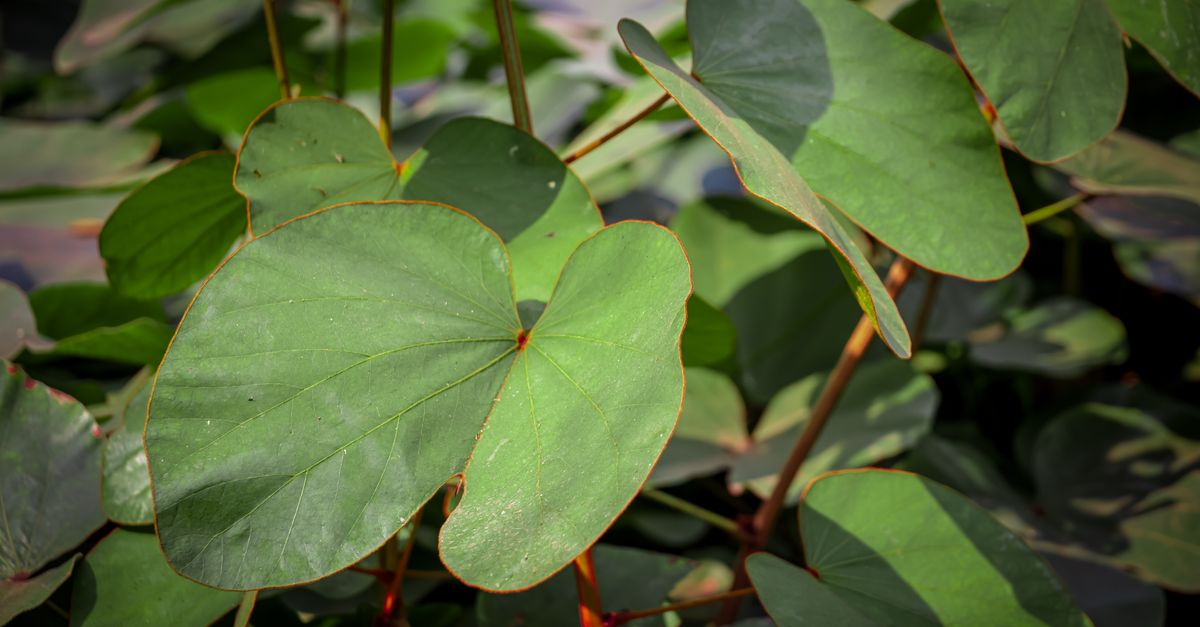
On a mugwort label, the big number is leaf water
Mugwort appears on 144 Korean labels and 15 print an amount. Eight share one shape, with the leaf water and the extract more than three thousandfold apart.
Peptides on a Korean label, and the billion fold range between them
Five Korean products that print every peptide level they hold. The highest is half a percent and the lowest is two thousandths of a part per billion.
Tea tree on blemish prone skin: ten forms, and only one has the research
Tea tree appears on 182 Korean labels in ten different forms. The molecule the antibacterial work is actually about is disclosed on exactly five of them.
Glutathione and tranexamic acid: the brightener on the box is rarely the big number
Tranexamic acid gets a printed figure on 11 Korean labels, glutathione on 17. Arbutin, the one the regulator actually notified, gets one on none.
Adenosine is the wrinkle active on the label, and nobody prints how much
Adenosine carries the wrinkle improvement half of a Korean functional cosmetic registration. Across every label we read that lists it, not one gave a number.
What does heartleaf actually do, and which number on the bottle is real?
On the labels here, heartleaf runs from 77 percent to 3,500 ppm. The biggest number belongs to the weakest form, and no study here uses human skin.
Squalane is not the oil your skin makes, and one study used it as the placebo
Squalane is on 313 Korean labels and seven print a level. It is a good emollient. It is also the arm a wrinkle trial used as its control.
When a label counts its hyaluronic acids, count them yourself
Front labels count them: three, eight, eleven. The list that settles it is printed on the same box, and three of the five counts here are exactly right.
Ceramides need two other lipids before they repair anything
What ceramides do in the skin barrier, why cholesterol and fatty acids have to be there too, and how to read the amount on a label.
The percentage on a niacinamide bottle isn't always niacinamide
What niacinamide does to the outer layer of skin, why 4 to 5 percent is the range with evidence behind it, and how to read the number on the front.
Starting retinol without quitting in week two
How retinol converts to retinoic acid inside skin, why that makes it slow, and a beginner protocol that keeps the peeling survivable.
Vitamin C derivatives, and what the bottle is trading away
Why vitamin C derivatives exist, how stability in the bottle trades against conversion in your skin, and what an ingredient list will not tell you.
Hyaluronic acid, and the step everyone skips after it
What hyaluronic acid does on skin, why it can leave you tighter in dry air, what molecular weight changes, and how to spot it on a label.