When a label counts its hyaluronic acids, count them yourself
Front labels count them: three, eight, eleven. The list that settles it is printed on the same box, and three of the five counts here are exactly right.
A front label that counts its own hyaluronic acids has handed you a test you can grade. The number sits a few centimetres from the ingredient list that settles it, which makes it one of the very few marketing figures on a box that a shopper can audit in the aisle, in under a minute, with no outside information.
So we counted, on five products. Three of the five counts are exactly right, and that is the part to say first, because a piece like this is easy to read as a list of brands caught out and it is not one. The count is a starting point rather than a result. What you learn by checking it turns out to be different every time: sometimes the list disagrees, sometimes the list agrees and the word attached to the number means nothing, and sometimes the list agrees and the far more interesting fact is sitting three positions above it.
One rule before the counting starts, because counting invites the opposite conclusion. A bigger number is not a better product. Building a formula with several molecular weights and several derivatives is real work rather than a trick, and it is also not a ranking. Six forms in a cream do not beat three in a cleansing water, and the products below make that fairly obvious once the amounts and the formats are in view.
Eleven on the front, eight on the list
Realbarrier Ceramide Moisture Cleansing Foam
Grant the substance first, because it is real. This label carries a hyaluronic acid family rather than one token entry dressed up: salt forms, a hydrolysed form, an acetylated form, a crosspolymer and a cationic form, spread down a 50-item list. That range of molecular weights and chemical modifications is genuine formulation work, and it is the reason the marketing sentence exists in the first place.
The counting is where it comes apart. The copy promises eleven kinds of hyaluronic acid, from ultra low molecular weight up to high, and the applied-ingredient summary elsewhere on the page repeats eleven. The ingredient list printed under the key-ingredient heading of the product notice block carries eight entries whose names contain the hyaluron stem. The brand does not name the other three in that block.
Something else is printed in the same block, and it is the brand being straight with you: a footnote saying the description above concerns raw material properties. That matters here more than the arithmetic does. This is a wash. It is diluted, worked into a lather and rinsed off within a minute, so only what survives dilution and drainage is deposited at all, and the footnote concedes most of what the sentence around it implies about the finished product. A brand that prints that line is not trying to run anything past you. The list still names eight.
Eight on the front, eight on the list, and a letter with no definition
Torriden Dive-In Low Molecular Hyaluronic Acid Cleansing Oil
The front says 8D. The eight is correct, and unusually easy to confirm, because the eight sit in one uninterrupted run on the printed statement: sodium hyaluronate, hydroxypropyltrimonium hyaluronate, sodium acetylated hyaluronate, hyaluronic acid, hydrolyzed sodium hyaluronate, sodium hyaluronate crosspolymer, potassium hyaluronate and hydrolyzed hyaluronic acid. Eight materials, eight named forms, count matched.
The D is the part with nothing behind it. The copy does not say what D stands for, and it does not say which eight entries it means, so the match is something a reader observes rather than something the brand asserts. An invented unit sitting next to an accurate number is a strange pairing, and it is worth noticing precisely because the number itself survives the check.
Two of the eight carry printed amounts, which is more than most labels anywhere give you: 100ppb on the first entry of the run and 1ppb on the last. Those are 0.00001 percent and 0.0000001 percent. All eight are printed behind the oil phase and its emulsifiers on a product that goes onto dry skin and comes off with water. One of the eight would deposit rather than rinse, the cationic hydroxypropyltrimonium hyaluronate, because a cationic material is drawn to the net-negative surface of skin and keratin. It is the one entry in the run with no amount printed beside it.
Eight on the front, eight on the list, and a clue in the ordering
Eight kinds again, and accurate again: exactly eight of the 25 entries are hyaluronate or hyaluronic acid species, at positions 14, 17, 18, 19, 20, 21, 22 and 23.
The more useful thing on this label is three positions earlier. Xylitylglucoside, anhydroxylitol and xylitol occupy positions 11, 12 and 13, consecutive and in that order. Three sugars arriving side by side in a fixed sequence is the ordering signature of one supplier premix entering the batch as a single purchased material, rather than of three ingredients chosen and dosed one at a time. That is not a fault and it is not hidden. It is simply how a great deal of cosmetic formulation actually works, and once you can see it, every ingredient list reads differently: a run of related names is often one decision, not several.
Where this page reaches too far is the destination rather than the arithmetic. The copy sells deep moisture. No topical hyaluronate at any molecular weight crosses the outer layer of skin into the living tissue underneath, so the mechanism supports hydration in the upper layers and stops there. The actual hydrating work on this label is visible without counting anything: water, dipropylene glycol, butylene glycol, glycerin, 1,2-hexanediol, betaine and panthenol take the first seven positions, and humectant loading by mass is among the best established effects in all of topical skincare. Accurate counting attached to an unearned destination is a pattern worth recognising, since it repeats across the category.
Three on the front, three on the list, and a format that decides the rest
Round Lab 1025 Dokdo Cleansing Water
Triple hyaluronic acid, and it is exactly that: hyaluronic acid, hydrolyzed hyaluronic acid and sodium hyaluronate are three distinct entries on a 19-item list. Count checked, count fine, and this is where the limits of counting show up most clearly.
What the check cannot settle is anything you would actually want to know. None of the three carries a printed amount, and this is a cleansing water, wiped or rinsed away rather than left on the skin. Whatever the three do here, they do inside whatever thin film survives the wipe, and the brand publishes no measurement of that film.
The rest of this label deserves its credit. Among the 19 entries there is no soap, no sulfate, no denatured alcohol and no fragrance ingredient, and the cleansing load sits on a mild nonionic ester rather than a detergent. Consumer reviews, 1,632 of them (as of 2026-08-27), converge most strongly on the product not stinging. That is a sound reason to buy a cleansing water. The count of three is not that reason, and it is the thing printed largest.
Six on the list, with the amounts printed beside them
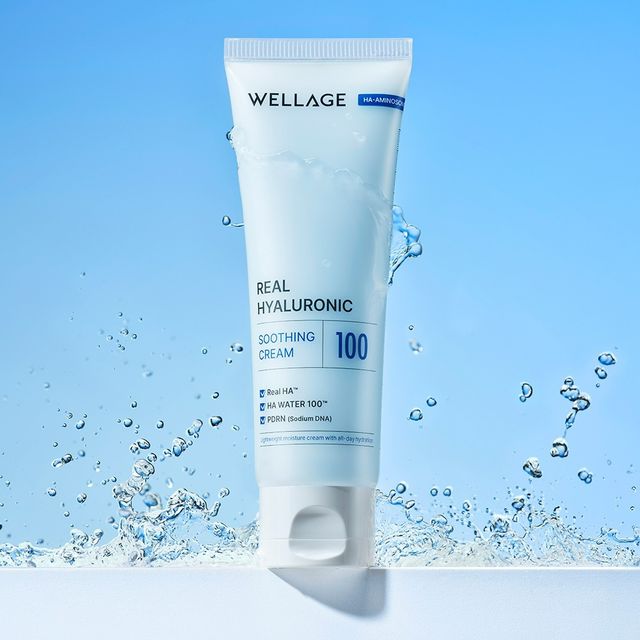
Wellage Real Hyaluronic Soothing Cream
Here the audit takes about ten seconds, and the credit for that belongs entirely to the brand. Six hyaluronic acid forms are on the list and all six carry printed amounts: hydrolyzed hyaluronic acid at 1ppm, sodium hyaluronate crosspolymer at 0.1981ppm, then sodium hyaluronate at 0.52ppb, hydroxypropyltrimonium hyaluronate at 0.012ppb, hyaluronic acid at 0.001ppb and sodium acetylated hyaluronate at 0.0002ppb. Nothing whatsoever obliges a brand to print any of that.
Read the range and the question answers itself. Products built around hyaluronic acid as a working ingredient usually use it somewhere between 0.1 and 2 percent, and these figures sit roughly three to eleven orders of magnitude below that. Six forms are genuinely present. Naming the complex the main ingredient asks that scale to carry more than it can.
One more line on the same page is worth reading against those figures: the copy describes water filling skin to a depth of 30 layers. Skin hydration is not described in dermatology as a countable number of layers, and hyaluronic acid of this size profile is not established to travel past the outer layer of skin at all. The number reads as manufactured precision rather than as a measured depth.
None of this makes it a poor cream. No fragrance ingredient is declared, it is registered in Korea as a wrinkle-improvement functional cosmetic on niacinamide and adenosine, which is a checkable administrative fact rather than an adjective, and consumer reviews, 3,862 of them (as of 2026-08-27), go to a light, fresh, non-sticky finish rather than to anything about depth.
How to count them yourself
The whole exercise is four steps and it works on any product in any category.
Find the number on the front. Three, eight, eleven, 8D, multi. Write it down before you turn the box over, because the front is the claim and everything after this is the check.
Find the ingredient list and search the stem, not the full name. In Korean that is 하이알루로, in English it is hyaluron. The forms are spelled a dozen different ways, and the stem catches every one of them: acid, sodium salt, potassium salt, hydrolysed, acetylated, crosspolymer, hydroxypropyltrimonium. Count the entries that contain it.
Read the ordering while you are there. A run of consecutive related names usually means one purchased material rather than several separate decisions, which is the S.NATURE case above. A block sitting behind the oils and emulsifiers is a block at low levels, whatever the count says.
Then ask the two questions the count never answers. How much, which you can only know if amounts are printed in parentheses, and what the format does with it. A leave-on cream and a rinse-off cleanser can print the identical count and mean entirely different things by it, because one stays on your face and the other goes down the drain. What the ingredient actually does in the outer layers is the background that makes both questions answerable, and we have written the plain version of that in the basics.
Common questions
Is eleven better than three?
No, and the five products here are the argument. Molecular weight variety is real formulation work, and it is not a scoreboard. A count tells you how many named forms went in, and nothing about how much of any of them, where they sit relative to the oils, or whether the product stays on your skin long enough for the question to matter.
Why do brands list so many forms at all?
Partly because the forms genuinely behave differently, and partly because a list of them photographs well. Both things are true at once. The useful signal is not the length of the list but whether amounts appear next to it, and how many of the entries arrived together as one supplier material.
Does low molecular weight mean it penetrates deeper?
Not past the outer layer of skin. Smaller fragments distribute differently within that outer layer, which is a real difference and a modest one. Any claim that a hyaluronate reaches the living tissue underneath is describing something that topical application does not do, whatever the molecular weight on the front of the box.
The count matches and no amounts are printed. What then?
Then you have confirmed the only thing the count can confirm, which is that the brand described its own list accurately, and you move on to everything else on the page. That is not a wasted minute. A brand whose front matches its back has passed the cheapest test there is, and it is fair to weigh that when nothing else on the page is checkable. Whether hyaluronic acid or ceramides is the right thing to be shopping for is usually the better question anyway.
If a count on something you own does not match the list and you cannot tell what the gap means, send us the label and we will read it through with you.
Products mentioned
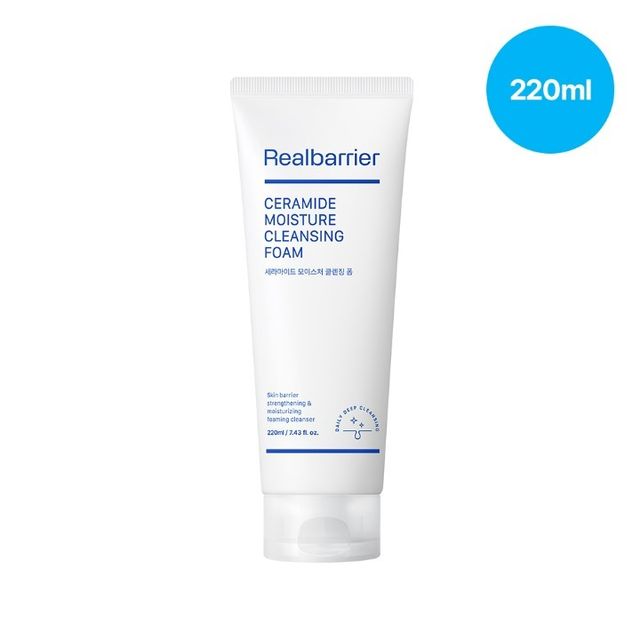
Realbarrier
Ceramide Moisture Cleansing Foam
It's made for better hydration.
Key: Sodium Cocoyl Glycinate, Sodium Lauroyl Glutamate, Caprylic/Capric Triglyceride
21 claims, summarized
- Only partly backed:
- better hydration · better barrier support
- Tests passed:
- dermatologist check · skin irritation
See each claim
claims, checked
Plant-derived amino acid surfactant
backed by evidenceMaintaining the skin's pH balance completes comfortable skin without tightness
plausible, not testedChewy, abundant fresh cream foam, moist without tightness! All-in-one clean cleansing foam, large size
partly backedClean cleansing with chewy, abundant foam
partly backedFresh cream foam cleanly washes everything from makeup to impurities without skin tightness! Ceramide Moisture Cleansing Foam
partly backed93% cleansing of makeup* after product use
partly backed94% cleansing of sunscreen after product use
partly backedMaintains weakly acidic skin
partly backed56.1 before product use, 63.7 after 2 weeks of product use, 13.4% improvement (moisture measurement (A.U))
partly backed19.7 before product use, 16.1 after 2 weeks of product use, 13.4% improvement (skin barrier (TEWL) measurement (g/m²h))
partly backedSuitable for use on sensitive skin DERMATOLOGISTST TESTED *Human application study on suitability for use on sensitive skin completed
partly backedSkin irritation test completed DERMATOLOLOGIST TESTED **Skin irritation test completed
partly backedMoist hydrating cleansing foam, 100% satisfaction
overstated100% cleansing power
overstated100% oil and moisture balance
overstated100% moistness
overstated99% cleansing of fine dust after product use
overstated99% cleansing of impurities inside pores after product use
overstatedIt contains 11 kinds of hyaluronic acid in different sizes, from ultra-low molecular weight to high molecular weight, so it finishes moist without tightness even after washing.
overstatedIt adds three skin barrier component ingredients to care for a skin barrier weakened by external irritation and keeps the skin moist for a long time.
overstatedMild deep cleansing ingredients, applying plant-derived ingredients to cleanse gently yet thoroughly.
nothing specific to check
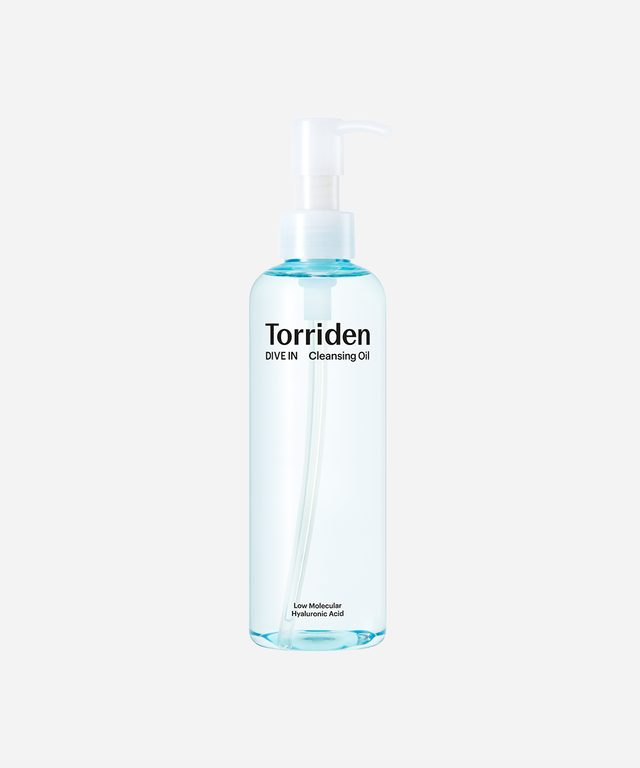
Key: Ethylhexyl Palmitate, Caprylic/Capric Triglyceride, Sorbeth-30 Tetraoleate
4 claims, summarized
- Don't count on:
- better hydration · less shine
See each claim
claims, checked
Low molecular weight oil removes makeup and impurities inside pores.
overstatedIt contains 8D complex low molecular weight hyaluronic acid, keeping the skin moist after cleansing.
overstatedLight and moist pore deep cleansing
overstatedIt adsorbs excess oil and leaves moisture.
no supporting source found
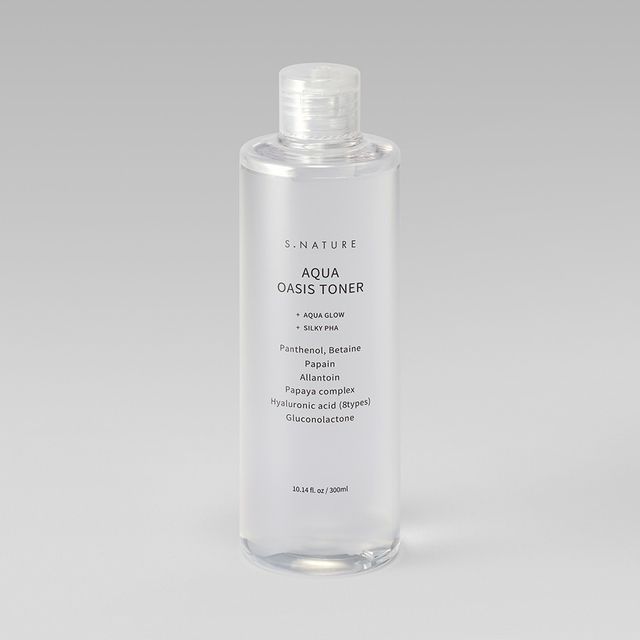
S.NATURE
Aqua Oasis Toner
It's made for a smoother skin texture.
Key: Gluconolactone, Papain, Carica Papaya (Papaya) Fruit Extract
9 claims, summarized
- Only partly backed:
- a smoother skin texture (amount unknown)
- Don't count on:
- better hydration · less visible pores
See each claim
claims, checked
Vegan formulation
plausible, not testedWatery texture, fast absorption, fresh finish
plausible, not testedThe first step after washing! Dense moisture charging & soothing, putting skin texture in order
partly backedGentle exfoliation care based on PHA (gluconolactone)
partly backedDaily use morning and evening
partly backedDeep moisture supply with "Aquaxyl (patented ingredient)" and "8 types of hyaluronic acid"
overstatedFor all skin types
overstatedPutting sebum inside pores in order
no supporting source foundHypoallergenic (low irritation) formulation
no supporting source found
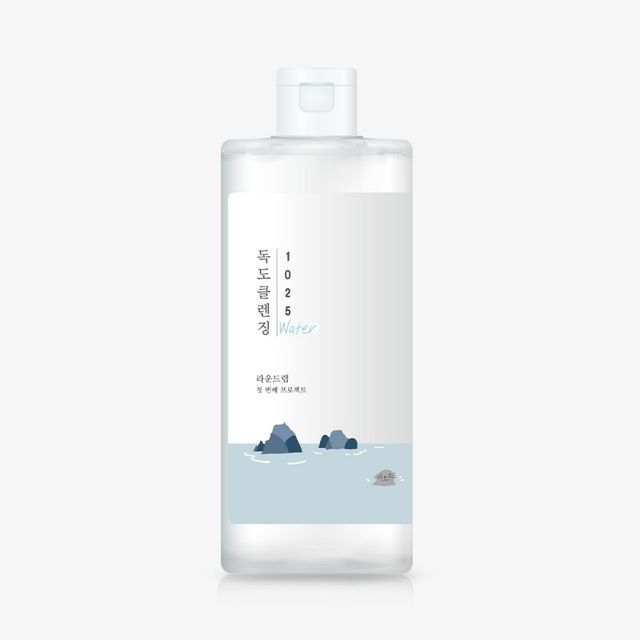
Round Lab
1025 Dokdo Cleansing Water
Key: Polyglyceryl-4 Caprate, Sea Water, Hyaluronic Acid
8 claims, summarized
- Don't count on:
- better hydration
See each claim
claims, checked
Gentle one-swipe weakly acidic cleansing
plausible, not testedA soothing wash for tired and irritated skin
plausible, not testedWith a weakly acidic pH similar to healthy skin, it cleanly removes impurities and minimises damage to the skin's protective film, protecting the skin comfortably even after washing.
overstatedIt is rich in nourishing minerals beneficial to the skin such as calcium, magnesium and zinc, filling the skin with moist hydration.
overstatedMoist even after washing with triple hyaluronic acid
overstatedThe complicated cleansing process all at once! It reduces the hassle and helps a fast, easy, irritation-free clean wash.
no supporting source foundThe clean moisture of Ulleungdo deep sea water, just as it is
nothing specific to checkA light and moist water texture
nothing specific to check
It's registered in Korea as a functional cosmetic for wrinkle improvement.
Key: Hyaluronic Acid, Niacinamide, Adenosine
9 claims, summarized
- You can expect:
- softer-looking fine lines
- Don't count on:
- better hydration
See each claim
claims, checked
Functional cosmetic review completion status: functional cosmetic for wrinkle improvement
backed by evidenceIt also applies a gel cream type, so there is little stickiness
plausible, not testedREAL HA™: Hugel's 100% purity hyaluronic acid
overstatedMain product points: all skin types
overstatedThis new product was made on the basis of moisture technologies such as ultra low molecular weight Hyal水 and Cross HA Network
overstatedIt fills moisture to a depth of 30 layers inside the skin, helping improve inner dryness symptoms
overstatedIn a human application study, moisture inside the skin was shown to increase by 195% and oil to decrease by 23.67%, proving an oil and moisture balancing effect for oily and combination skin troubled by excess oil caused by inner tightness
no supporting source foundOil and moisture balance, inner moisture charging
nothing specific to checkReal Hyaluronic Soothing Cream is a product designed to fill moisture in deep places while maintaining a fresh finish, reflecting skin characteristics
nothing specific to check