beplain
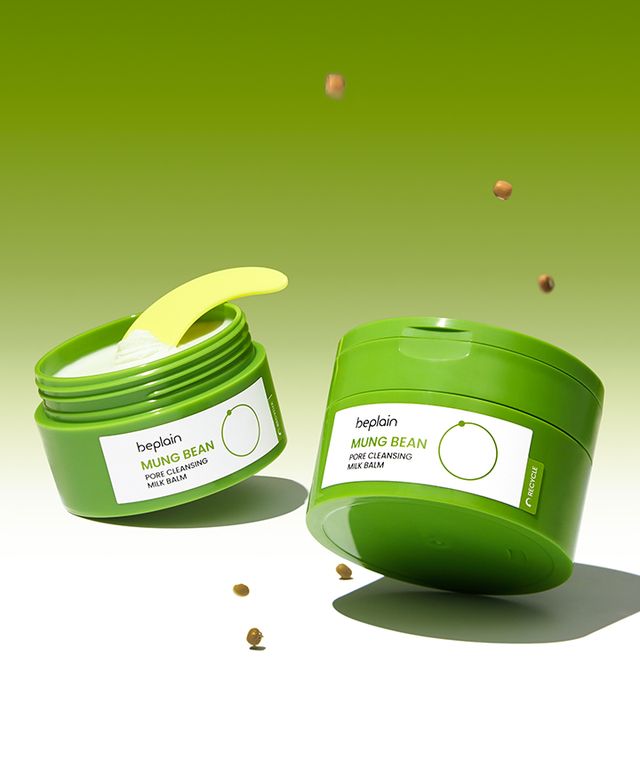
beplain Mung Bean Pore Cleansing Milk Balm
Ingredient analysis and how the ad lines read
Read on 2026-09-04
What is this product?
beplain's Mung Bean Pore Cleansing Milk Balm is a 100ml first cleanse for oily or dehydrated-oily skin that wears makeup: it turns milky the moment water hits it, rinses clean, and carries an LHA (capryloyl salicylic acid) and a PHA (gluconolactone) for congested pores. Two caveats: the 10,000 ppm mung bean extract beplain leads with is printed on a third-party retail page rather than on its own, and beplain publishes neither a pH nor its acid amounts.
What makes it different?
The balm-to-milk change is not just marketing: two polyglyceryl-ester emulsifiers break it into a milky emulsion the moment water hits it, so it rinses without leaving a film, and nothing scented is declared on the list. That 10,000 ppm mung bean figure is the only amount on offer here, which makes it a decent makeup-and-sebum first step but a weak one to judge the pore actives by.
What is in it?
The full ingredient list as the brand publishes it, in the printed order. Each name links to what we know about that ingredient.
This brand publishes its ingredient list in Korean only. Names below are the matching INCI names from the Korean Cosmetic Association ingredient dictionary.
Key ingredient
- Ethylhexyl Palmitate
- Helianthus Annuus (Sunflower) Seed Oil
- Polyglyceryl-10 Diisostearate
- Polyglyceryl-6 Dicaprate
- Polyethylene
- Cetearyl Alcohol
- Dipropylene Glycol
- Titanium Dioxide
- Caprylic/Capric Triglyceride
- Vigna Radiata Seed Extract
- Camellia Sinensis Seed Oil
- Melia Azadirachta Leaf Extract
- Aluminum Hydroxide
- Capryloyl Salicylic Acid
- Hippophae Rhamnoides Fruit Oil
- Melia Azadirachta Flower Extract
- Coccinia Indica Fruit Extract
- Water
- Solanum Melongena (Eggplant) Fruit Extract
- Amber Powder
- Ceramide NP
- Gluconolactone
- Curcuma Longa (Turmeric) Root Extract
- Ocimum Sanctum Leaf Extract
- Glycerin
- Corallina Officinalis Extract
- Moringa Oleifera Seed Oil
- Butylene Glycol
- 1,2-Hexanediol
- Lactobacillus/Soymilk Ferment Filtrate
- Hydrogenated Lecithin
- Asiaticoside
- Madecassic Acid
- Asiatic Acid
- Cholesterol
Ingredients with no mark are ones we found nothing notable about, and when marks overlap on one ingredient we show the caution first.
We could not place these in the list above: Cetearyl Alcohol, Ethylhexyl Palmitate, Capryloyl Salicylic Acid
Did the ad claims hold up?
We checked 7 lines this product advertises against the ingredient list and public documents. One of them looks likely, though none are proven outright.
Claims translated from Korean, originals preserved.
likely, not proven1
- A hybrid texture that turns from balm to milk
Korean original
밤에서 밀크로 변하는 하이브리드 제형
partly backed2
- Contains 10,000ppm of mung bean extract
Korean original
녹두추출물 10,000ppm 함유
- Contains the exfoliating ingredients PHA and LHA
Korean original
각질 제거 성분 PHA, LHA 함유
overstated ad line2
- Gentle and clean deep cleansing
Korean original
순하고 말끔하게 딥 클렌징
- A cleansing balm that cleanly melts away even sebum and flakes inside pores
Korean original
모공 속 피지와 각질까지 말끔하게 녹여주는 클렌징 밤
says nothing2
- Pore confidence, mung bean
Korean original
모공자신감, 녹두
- Joyful skin confidence, beplain
Korean original
즐거운 피부 자신감, 비플레인
Each line is quoted as the brand published it, and each one was read on its own against the ingredient list and the documents the brand publishes.
What else is worth seeing?
Products we read alongside this one.
Which articles cover it?
Articles on this site that write about this product.
- Olive Young cleansing balms and oils: six first cleanse picksSix Korean cleansing balms and oils from the Olive Young shelf, sorted by what their labels disclose, including which ones are scented and which are not.
- What to buy at Olive Young: ten products we read the label on firstTen Korean skincare products stocked at Olive Young, each one picked after reading the ingredient list and checking what the brand can actually back up.