What is Mung bean extract?
Plant extract
Mung bean extract is a water based extract of the mung bean, which Korean labels call nokdu. It goes into the water phase as a botanical additive. Like other plant extracts it is a mixture rather than one defined compound, so what is in it depends on how the supplier made it.
Was this exact ingredient the one tested?
The plain extract's effect on skin hasn't been shown, only its safety.
What can you expect from it?
Not shown on human skin yet.
What won't it do?
Claims you often see, and what is actually true.
It isn't shown to brighten or even out tone.
Mung bean extract brightens skin, evens tone, or reduces pigmentation
It isn't shown to clear pores or blemishes.
Mung bean calms or purifies pores and clears blemishes
Its vitexin isn't shown to fight aging in a finished product.
Mung bean's vitexin content delivers an anti-aging benefit in a finished product
Antioxidant doesn't mean anti-aging.
Mung bean is antioxidant, therefore it is anti-aging on skin
Anything to watch out for?
- On people, a mung bean sprout extract was easy on skin.
- There are no allergy or repeated-use skin tests and no safety panel assessment yet.
Which products feature it?
4 of the 2320 products we've checked feature this as a key ingredient. Products that disclose a concentration or list it near the top of the ingredient list come first.
Showing 1 to 4.
Key: Mung Bean Extract (#10 on the ingredient list), Capryloyl Salicylic Acid, Gluconolactone
7 claims, summarized
- Only partly backed:
- a smoother skin texture
See each claim
claims, checked
A hybrid texture that turns from balm to milk
plausible, not testedContains 10,000ppm of mung bean extract
partly backedContains the exfoliating ingredients PHA and LHA
partly backedGentle and clean deep cleansing
overstatedA cleansing balm that cleanly melts away even sebum and flakes inside pores
overstatedPore confidence, mung bean
nothing specific to checkJoyful skin confidence, beplain
nothing specific to check
Key: Mung Bean Extract (#11 on the ingredient list), Sodium Cocoyl Glycinate, Sodium Lauroyl Glutamate
4 claims checked
claims, checked
Mung Bean Weakly Acidic Cleansing Foam
plausible, not testedA moist cleanser that washes away even fine dust
overstatedIt cleanly cleanses impurities inside pores, sebum, flakes and even ultrafine dust.
overstatedPore confidence, mung bean
nothing specific to check
Key: Mung Bean Extract (#14 on the ingredient list), Capryloyl Salicylic Acid, Vigna Radiata (Mung Bean) Seed Extract
3 claims checked
claims, checked
After cleansing, take enough product on a cotton pad and wipe along the skin's texture, or take an appropriate amount and gently spread on the face and neck to allow absorption.
backed by evidenceThe Ministry of Food and Drug Safety review statement does not apply.
backed by evidencePore confidence, mung bean
overstated
Key: Mung Bean Extract (#27 on the ingredient list), Niacinamide, Adenosine
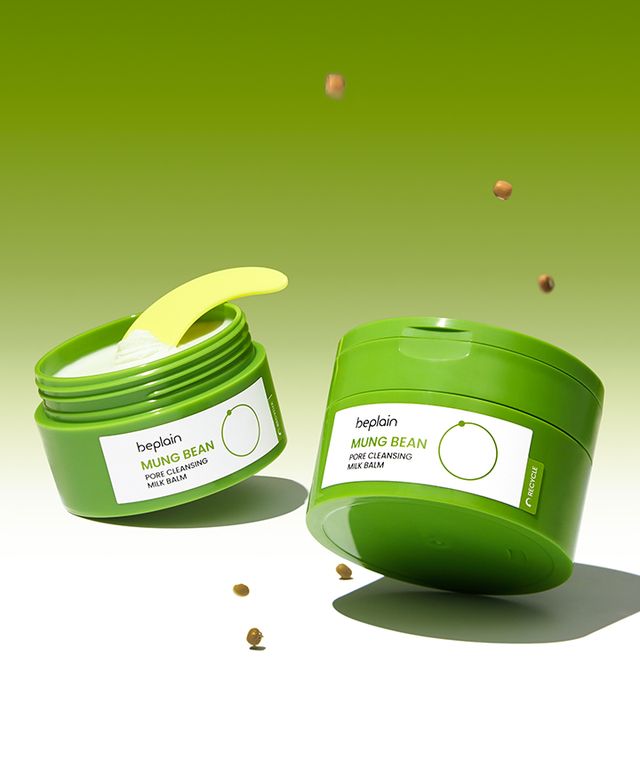
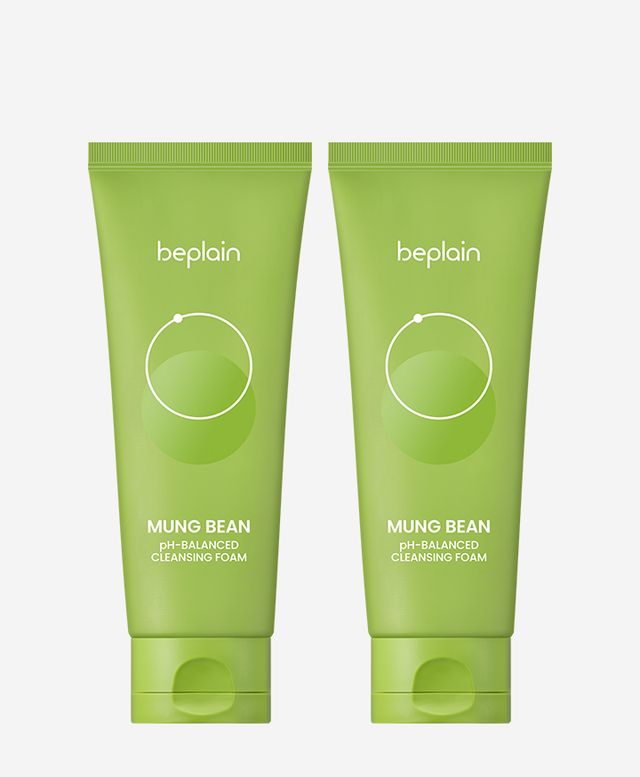
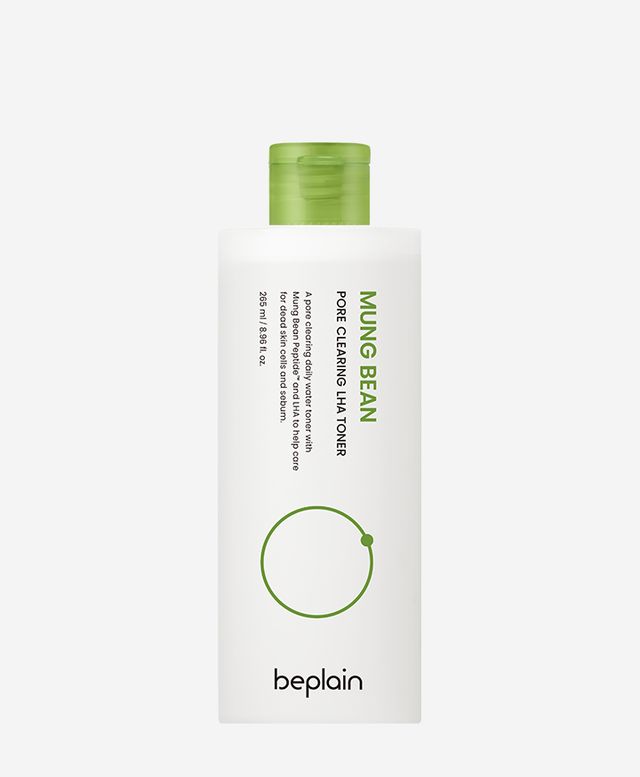
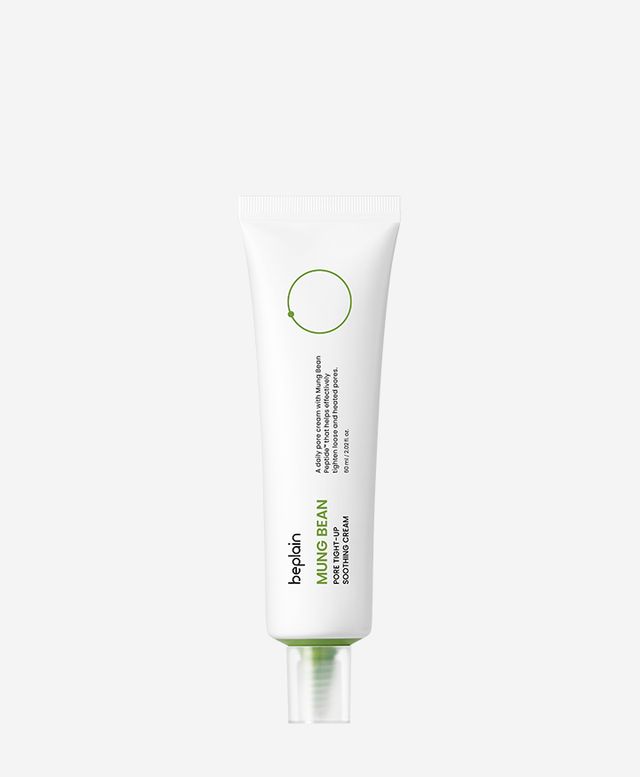
Often featured alongside it
Are the claims about it backed up?
We checked each claim that features this ingredient. Open the list below to see the result for each one.
See the results by claim
| Result | Claims |
|---|---|
| partly backed | 1 of 1 |
These are counts of claims, not products. One product can name the same ingredient in several claims, and we checked each one on its own.
Sources
We summarized the published studies and public records listed below, each with its DOI or PubMed number. Findings about treating medical conditions are outside what a cosmetics page covers, so we left them out.
Was this exact ingredient the one tested?
No source located tests a plain Vigna Radiata (Mung Bean) Extract on human skin for a cosmetic efficacy endpoint.
Source 1 exposes human skin to a mung bean sprout extract but its human component is a safety patch test, not an efficacy measurement.
What won't it do?
It isn't shown to brighten or even out tone.
The tone and pigment result came from a fermented mix of mung bean with other herbal ingredients, so it cannot be put down to mung bean, and nobody here measured pigment on human skin.
Work in cell dishes, one of the lines taken from a dog kidney, and nothing measured on human skin.
The tyrosinase and melanogenesis work belongs to Pracparatum mungo, a fermented preparation of mung bean mixed with other Chinese medicines, so the effect cannot be attributed to mung bean.
It isn't shown to clear pores or blemishes.
The only source here is a gel of aloe pulp plus mung bean, checked for stopping germs in a dish with no people and nothing applied to skin, and its germ stopping ring was smaller than the standard comparison agents.
A dish test on a two ingredient mixture, so nothing can be pinned on mung bean by itself.
Its vitexin isn't shown to fight aging in a finished product.
Those two compounds were pulled out of a hull extract and tested on their own, and no source here even says how much of them a cosmetic mung bean extract contains.
Cultured cells, with the compounds separated out rather than sitting in a finished product.
Isovitexin and vitexin were the most protective of eight isolated compounds against H2O2 damage in cultured cells, but they were tested as isolated compounds from a hull extract, not as constituents of a cosmetic mung bean extract at whatever level such an extract contains.
Antioxidant doesn't mean anti-aging.
The antioxidant numbers come from test tubes and cell dishes. Nobody here measured wrinkles, elasticity or firmness on human skin for any mung bean preparation.
Chemical measurements and counts of surviving cells, with no measurement of aging on human skin anywhere in these sources.
The antioxidant measurements are chemical assays and cell viability endpoints.
Lab and related-material results
In test tubes the sprout extract shows strong antioxidant power.
A water extract of mung bean sprouts wiped out more than 85 percent of the test molecules used to measure antioxidant power, and that was measured on the extract itself rather than on skin.
Chemistry run on the extract in test tubes, with no skin and no people involved.
DPPH scavenging above 85% at every tested shoot length, total antioxidant capacity above 4.0, and ferrous chelation near 80% at day one of sprouting.
In lab cells the hull extract helps cells survive oxidative stress.
Extracts from the mung bean hull helped human skin cells stay alive when they were stressed with hydrogen peroxide. That was the hull, not the whole bean.
Not skin on a person but cultured human skin cells in a dish.
Hull phenolic extracts and their isolated compounds protected HaCaT and human skin fibroblast viability under H2O2 stress.
Citations
- 1Dongyan T, Yinmao D, Li L, Yueheng L, Congfen H, Jixiang L. Antioxidant activity in mung bean sprouts and safety of extracts for cosmetic use. J Cosmet Sci. 2014;65(4):207-216.PMID 25423740
- 2Hao R, Li M, Li F, Sun-Waterhouse D, Li D. Protective effects of the phenolic compounds from mung bean hull against H2O2-induced skin aging through alleviating oxidative injury and autophagy in HaCaT cells and HSF cells. Sci Total Environ. 2022;841:156669.DOI 10.1016/j.scitotenv.2022.156669PMID 35718184
- 3Kao YY, Chuang TF, Chao SH, Yang JH, Lin YC, Huang HY. Evaluation of the antioxidant and melanogenesis inhibitory properties of pracparatum mungo (lu-do huang). J Tradit Complement Med. 2013;3(3):163-170.DOI 10.4103/2225-4110.113443PMID 24716173
- 4Chellathurai BJ, Anburose R, Alyami MH, Sellappan M, Bayan MF, Chandrasekaran B, Chidambaram K, Rahamathulla M. Development of a Polyherbal Topical Gel for the Treatment of Acne. Gels. 2023;9(2):163.DOI 10.3390/gels9020163PMID 36826332
What each point on this page rests on, with full citations.