What is Asiatic acid?
Centella isolate
Asiatic acid is another of the compounds isolated from centella asiatica. It is a triterpene and dissolves poorly in water, so a formula carrying it needs a solvent or a solubiliser to keep it in the mix. It goes in at small amounts and sits low on an ingredient list, usually next to the other centella isolates.
What can you expect from it?
Not shown on human skin yet.
What won't it do?
Claims you often see, and what is actually true.
It isn't shown to firm skin.
Asiatic acid firms skin or builds collagen in humans
It isn't a stronger form of asiaticoside.
Asiatic acid is the stronger or purer form of asiaticoside
It doesn't absorb well on its own.
Asiatic acid absorbs well into skin
Don't count on it to repair sun aging.
Results for asiatic acid derivatives belong to asiatic acid
Calming skin isn't shown.
Asiatic acid is anti-inflammatory or soothes skin
Which products feature it?
97 of the 2320 products we've checked feature this as a key ingredient. Products that disclose a concentration or list it near the top of the ingredient list come first.
Showing 1 to 12.
Key: Asiatic Acid (#8 on the ingredient list), Centella Asiatica Extract, Asiaticoside
It's made for better hydration and calmer skin.
Key: Asiatic Acid (#8 on the ingredient list), Houttuynia Cordata Water 92%, Panthenol
6 claims, summarized
- Only partly backed:
- better hydration · calmer skin
See each claim
claims, checked
SIDMOOL HOUTTUYNIA CORDATA CICA ESSENTIAL
backed by evidence92% houttuynia water rich in quercitrin
partly backedHydrating cica soothing care for sensitive and delicate skin
partly backedA cosmetic containing 20 years of history and deep love for houttuynia
no supporting source foundEven for inner-dry, oily, combination, and teenage skin, comfortable feel!
no supporting source foundIt is a natural functional derma cosmetic to solve skin concerns.
no supporting source found
Key: Asiatic Acid (#8 on the ingredient list), Centella Asiatica Extract, Madecassic Acid
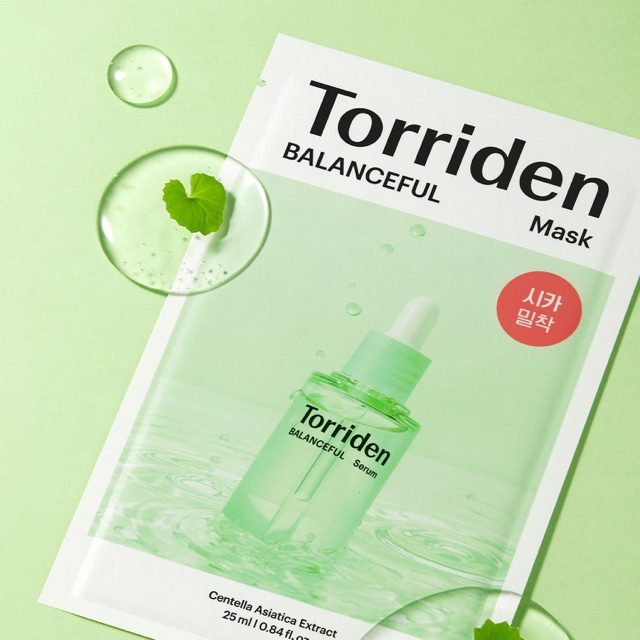
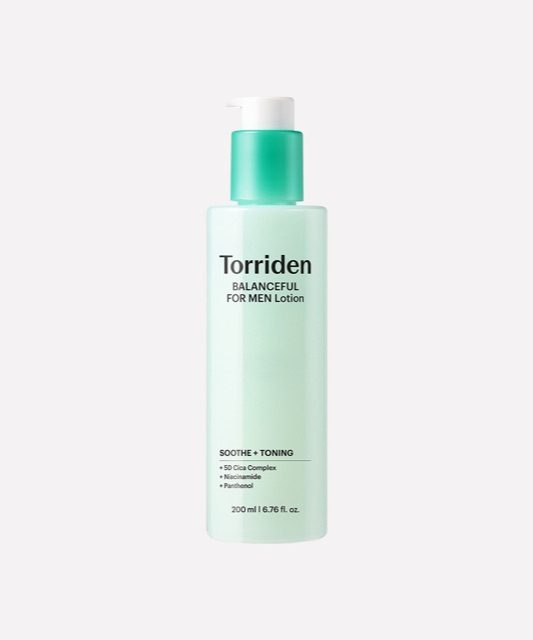
Torriden
BALANCEFUL Mask
It's made for better hydration and calmer skin.
Key: Asiatic Acid (#10 on the ingredient list), Panthenol, Asiaticoside
16 claims, summarized
- You can expect:
- better hydration
- Only partly backed:
- calmer skin
- Don't count on:
- firmer skin · better barrier support · less visible dark spots · softer-looking fine lines
See each claim
claims, checked
Replenishes hydration
backed by evidenceCalming Care: Soothes and comforts sensitive skin with 5D Cica Complex
plausible, not testedA gentle yet effective blend of five types of Cica ingredients helps soothe visible redness and support sensitive skin.
plausible, not testedSoothing Sheet Mask for Irritated Skin
plausible, not testedSoothes and comforts sensitive, stressed skin with five types of Cica ingredients
plausible, not testedDaily soothing mask provides moisture and soothes with 5 types of centella asiatica extract ingredients. Soothes temporarily redness and red spots.
partly backedGentle Formula: Suitable even for sensitive skin
partly backedThe human repeat insult patch test(Non-irritant)(1)
partly backedDelivers moisture, helps retain hydration, and soothes the skin
partly backedDense Sheet: A firm, essence-soaked sheet adheres closely to keep skin hydrated and supple all day
overstated60.01% improved soothing of temporary skin redness damaged by external stimulation (infrared)(2)
overstated38.94% improved skin barrier of temporary skin redness damaged by external stimulation (infrared)(3)
overstatedHigh Adherence: Made with soft, lightweight TENCEL-blend fabric that hugs the skin seamlessly
no supporting source foundA functional cosmetic under the Cosmetics Act (triple functionality: UV protection, wrinkle improvement, whitening) has passed review (or reporting).
contradicted by sourcesFormulated with Torriden’s patented T-Percent™ Calming Complex together with T-TECA, a micro-sized complex smaller than pores, it delivers calming care without stickiness or heaviness.
nothing specific to check5D Cica Complex for Calm, Comforted Skin
nothing specific to check
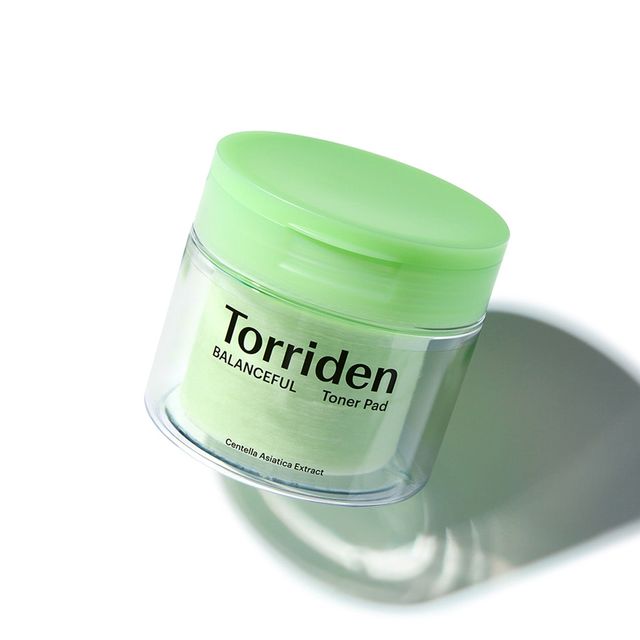
Torriden
BALANCEFUL Toner Pad
It's made for a smoother skin texture and calmer skin.
Key: Asiatic Acid (#10 on the ingredient list), Gluconolactone, Capryloyl Salicylic Acid
17 claims, summarized
- Only partly backed:
- calmer skin · a smoother skin texture · better hydration
See each claim
claims, checked
Gentle Daily Exfoliation for Smooth, Balanced Skin
plausible, not testedEmbossed Pad: Textured pad with a 3D embossed surface that thoroughly and gently cleanses problem areas for smoother skin with daily use
plausible, not testedDelivers moisture, helps retain hydration, and soothes the skin
plausible, not testedit provides calming care without stickiness or heaviness.
plausible, not testedDaily toner pad formulated with 5 types of centella asiatica extract ingredients and LHA & PHA calms and provides smoothness for sensitive skin.
partly backedDaily Exfoliation: Gently melts away excess sebum and dead skin cells to refine rough texture
partly backedGentle Formula: Mild and non-irritating, even for sensitive skin
partly backedThe human repeat insult patch test(Non-irritant)(1)
partly backed11.2% improved skin texture(roughness)(2)
partly backed100% gave positive answers on feeling like my rough skin texture has become smooth and soft(5)
partly backedSoothes and comforts sensitive, stressed skin with five types of Cica ingredients
partly backedGently exfoliates dead skin and excess sebum with a mild, low-pH formula
partly backedGently exfoliates to remove old dead skin cells and refine texture
partly backed84.3% improved skin exfoliation(3)
overstated50.8% improved in skin sebum(4)
overstatedA gentle yet effective blend of five types of Cica ingredients helps soothe visible redness and support sensitive skin.
overstatedDesigned to keep skin balanced, smooth, and comfortable
nothing specific to check
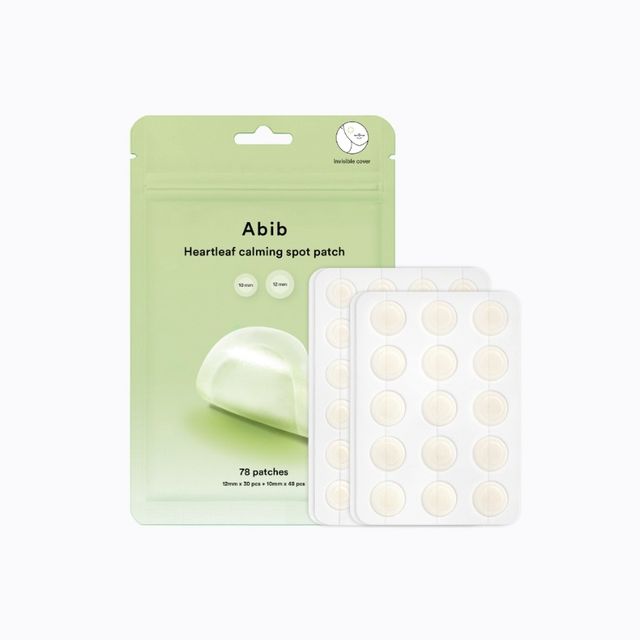
Key: Asiatic Acid (#10 on the ingredient list), Niacinamide, Madecassoside
It's made for clearer-looking, calmer skin.
Key: Asiatic Acid (#10 on the ingredient list), Houttuynia Cordata Extract, Asiaticoside
23 claims, summarized
- You can expect:
- clearer-looking skin
- Only partly backed:
- calmer skin (amount unknown)
- Tests passed:
- non-comedogenic
See each claim
claims, checked
*Trouble such as sensitivity, sebum, excess oil, dryness, etc.
backed by evidenceStep 1. Moist environment creation. Hydrocolloid patch quickly absorbs secretions and creates a moist environment, protecting the skin from external pollution.
backed by evidence*Limited to raw material characteristics.
backed by evidence2 type size. Highly versatile 2 sizes. Composed of 10mm and 12mm sizes, use according to the size of the concerned area.
backed by evidence*10mm: For small spots *12mm: For large spots (curved areas like chin and mouth area, or areas of greater concern).
backed by evidenceFunctional: -
backed by evidenceQ. How long should it be attached? If the patch swells white and is no longer easy to attach, replace it, or replace it after a certain time (approximately 6-8 hours). It is recommended not to exceed 24 hours.
backed by evidenceQ. What is the order of use? After cleansing, on a dry state, or after skincare, lightly wipe the area with a cotton swab and attach. Since adhesion may weaken if there is excess moisture or oil, be sure to dry the attachment area before use.
backed by evidenceTrouble care. From early spots to after-calming! Experience emergency calming spot care.
plausible, not testedSlim fit. Invisible seamless cover, Slim fit ultra-adhesive patch!
plausible, not testedBeveling method. Applies a beveling method where the edges are 2 times thinner than the center, ensuring close adhesion without lifting.
plausible, not testedMatte patch. The matte transparent material ensures spot coverage that is unnoticeable even during makeup and outdoor activities.
plausible, not testedCutting film. Tear along the cutting line for clean use. A cutting line is applied to the center of the back film with the patch, allowing easy removal and hygienic use.
plausible, not testedQ. When do you use it? It can be used at every stage, from the initial trouble spot to the after-spot.
plausible, not testedHeartleaf x Calming. Blocks external pollution and calms for sure!
partly backedStep 2. Soothing trio synergy. Contains heartleaf and TECA, a key ingredient of centella, which help soothe sensitive skin, and tea tree leaf oil that calms irritated skin, to quickly soothe skin spots.
partly backedNon Comedogenic. Acne-prone skin suitability test completed.
partly backed*Acne-prone skin suitability test (non-comedogenic test) completed / Korea Intertek Testing Services Co., Ltd.
partly backedCompleted a human efficacy evaluation suitable for acne-prone skin, and since it does not clog pores, even sensitive skin can use it with confidence.
overstatedWaterproof. The excellent patch fabric doesn't lift even when wet, and maintains for a long time during daily activities like washing and showering, as well as sweat, so it doesn't easily detach even during exercise.
overstatedLess stress. Safe care for sensitive skin. Experience spot care without worry even on sensitive skin.
overstatedThe moment when Trouble* needs calming
nothing specific to checkEmergency spot care, heartleaf spot patch
nothing specific to check
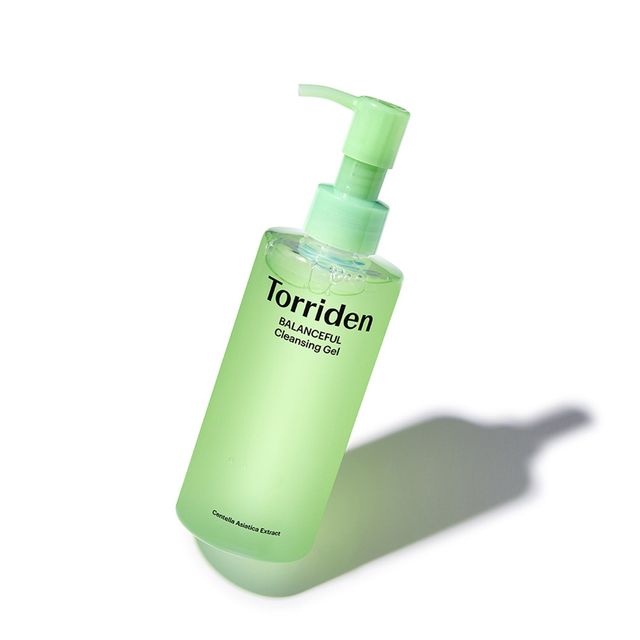
Torriden
BALANCEFUL Cleansing Gel
It's made for calmer skin.
Key: Asiatic Acid (#11 on the ingredient list), Centella Asiatica Extract, Madecassoside
26 claims, summarized
- Only partly backed:
- less shine · calmer skin (amount unknown) · a smoother skin texture · better hydration (amount unknown)
- Don't count on:
- less visible pores
See each claim
claims, checked
Contains Torriden carefully blended 5D multi centella asiatica extract
backed by evidenceDense Foam Texture: Thick, cushiony bubbles provide a deep, pore-cleansing experience
plausible, not testedPanthenol Delivers moisture, helps retain hydration, and soothes the skin
plausible, not testedContains panthenol : effective for moisturization and soothing
plausible, not testedGel-type cleanser full of moisture
plausible, not testedSoft gel cleanser including 5 types of centella asiatica extract ingredients and LHA helps to remove sebum and dirt inside skin pores.
partly backedSkin Calming: Soothes sensitive skin with a gentle gel texture and 5D Cica complex
partly backedOil Control: Helps balance excess sebum and oil for refreshed, combination skin
partly backedGentle Formula: Suitable even for sensitive skin
partly backedThe human repeat insult patch test(Non-irritant)(1)
partly backed5D Cica Complex Soothes and comforts sensitive, stressed skin with five types of Cica ingredients
partly backedLHA Gently exfoliates dead skin and excess sebum with a mild, low-pH formula
partly backedTorriden Balanceful Cica Cleansing Gel is a light cleanser that clarifies pores and removes excessive sebum.
partly backedFormulated with LHA to gently melt excessive sebum and smooth the skin texture
partly backedContains T-Percent™ Calming Complex , which is Torriden patented ingredient, along with Asiatic Acid, Madecasoside, Asiaticoside, and Madecasic Acid
partly backedDissolves oil, clears sebum cleanly! Sebum-free cleansing gel
partly backedSoothes skin with 5D Complex Cica Complex
partly backedPore Purifying: Gently clears pores and sebum buildup without irritation
overstated68.7% improved immediate sebum cleanliness effect(2)
overstated90.2% improved immediate pore cleanliness effect(3)
overstated100% agreed feels gentle/softness/moistness and soothed on the skin.(4)
overstatedLow-irritation LHA ingredient for irritation-free sebum care
overstatedA gentle yet effective blend of five types of Cica ingredients helps soothe visible redness and support sensitive skin.
no supporting source foundFormulated with Torriden’s patented T-Percent™ Calming Complex, it provides calming care without stickiness or heaviness.
no supporting source foundVegan & Cruelty-free
no supporting source foundDesigned to keep skin balanced, smooth, and comfortable - day after day.
nothing specific to check
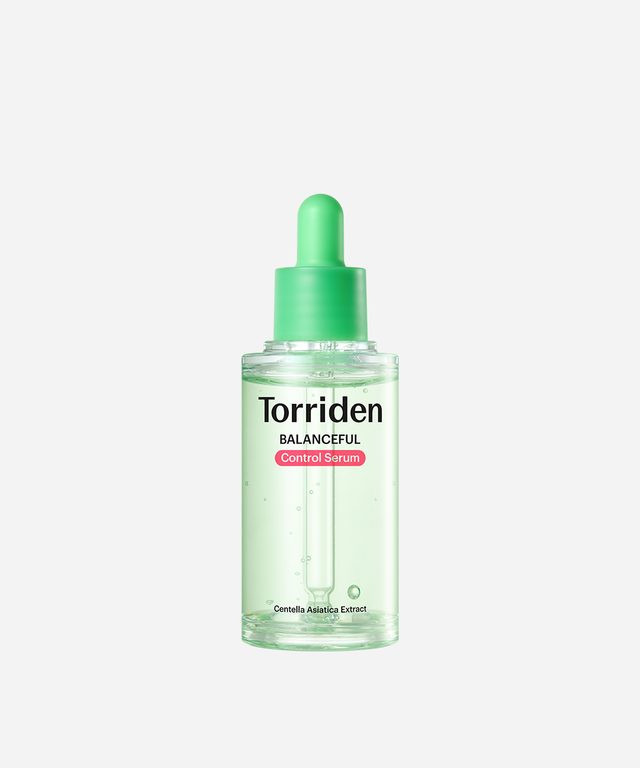
Torriden
Balanceful Cica Control Serum
It's registered in Korea as a functional cosmetic for brightening.
Key: Asiatic Acid (#11 on the ingredient list), Panthenol, Asiaticoside
2 claims, summarized
- You can expect:
- less visible dark spots
See each claim
claims, checked
Passed functional cosmetics (whitening) review (or reporting) according to the Cosmetics Act.
backed by evidenceRapid calming serum that soothes sensitized skin.
partly backed
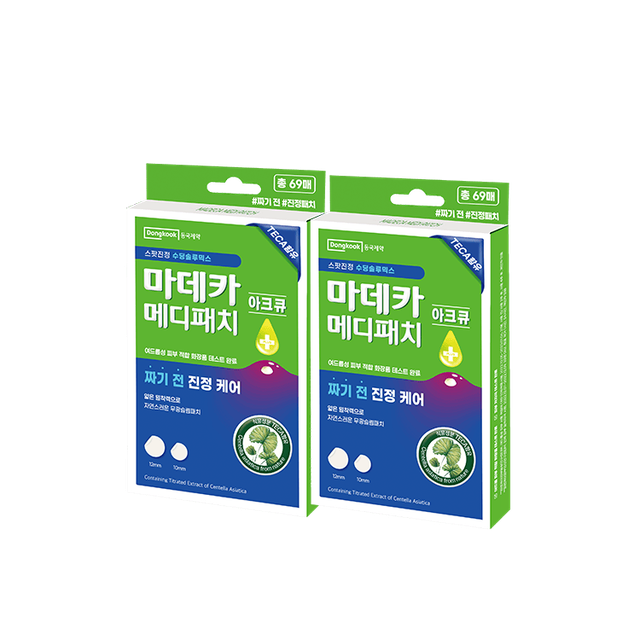
Dongkook
Madeca Medipatch ACQ
It's made for clearer-looking, calmer skin.
Key: Asiatic Acid (#11 on the ingredient list), Madecassic Acid, Asiaticoside
41 claims, summarized
- You can expect:
- clearer-looking skin
- Only partly backed:
- calmer skin (amount unknown) · a brighter skin tone
- Tests passed:
- hypoallergenic · skin irritation
See each claim
claims, checked
Contains TECA, tea tree leaf oil, Centella Asiatica Extract
backed by evidenceA mixed patch with 2 sizes to choose and stick according to spot size!
backed by evidenceSticks perfectly to my skin
plausible, not testedWhen you stick it right! on troubled skin areas, it helps soothe spots
plausible, not testedSticks perfectly to my skin-! A slim matte patch that doesn't show
plausible, not testedA semi-transparent matte patch in skin tone, so it doesn't show on bare face or with makeup
plausible, not tested#CoolTone #WarmTone #Regardless
plausible, not testedHalf-cut method with cut lines in the film makes it easy to tear off and use, with no worry about folding
plausible, not testedBefore squeezing, for initial spot soothing care
partly backedSoothing effect human application test completed
partly backedAcne use suitability human application test completed
partly backedInitial spot soothing care
partly backedDongkuk Pharmaceutical's key ingredient TECA
partly backedHelps soothe skin
partly backedAcne-prone skin suitability cosmetic test completed
partly backedLow irritation test completed
partly backedContains Soothing Solumix formula of TECA, Centella Asiatica Extract, and tea tree leaf oil
partly backedKey ingredient of Soothing Solumix™, Dongkuk Pharmaceutical TECA
partly backedOil improvement human application test completed
partly backed1. Helps improve skin oil amount and sebum amount
partly backedAbout 33% improvement effect
partly backed2. Suitable for use on acne-prone skin
partly backedHelps soothe skin!
partly backedTherefore, the test product “Madeca Medi Patch Arc Q” is judged to be - a product that helps immediate (temporary) soothing of skin irritation after physical stimulation with 1 use. - a product that helps soothe skin with 2 weeks of use.
partly backedSkin low irritation test completed
partly backedSkin safety human application test completed
partly backed0.00 low irritation
partly backedMadeca Medi Patch Arc Q is judged to be non-(no)-irritating. All human application test subjects showed no skin adverse reactions during the test period.
partly backedTry it with confidence! Satisfaction 100%
partly backedMadeca Medi Patch Arc Q confirmed improvement effects through human application tests.
partly backedPatch thickness satisfaction 100%
partly backedLongevity (retention) satisfaction 100%
partly backedSpot coverage satisfaction 100%
partly backedMadeca Medi Patch Arc Q is a hydrocolloid patch that contains Soothing Solumix ingredients TECA, Centella Asiatica Extract, and tea tree leaf oil, helps improve skin oil, and soothes and cares for troubled skin areas.
partly backedMadeca Medi Patch Arc Q is suitable for use on acne-prone skin and is a product with 0.00 skin irritation, low irritation. (Test completed)
partly backedEven sensitive skin can use it with confidence
overstatedAbout 33% improvement effect
no supporting source foundAbout 41% improvement effect
no supporting source foundFast soothing effect 100%
no supporting source foundProduct use 100%
no supporting source foundAdhesion completely perfect!
no supporting source found
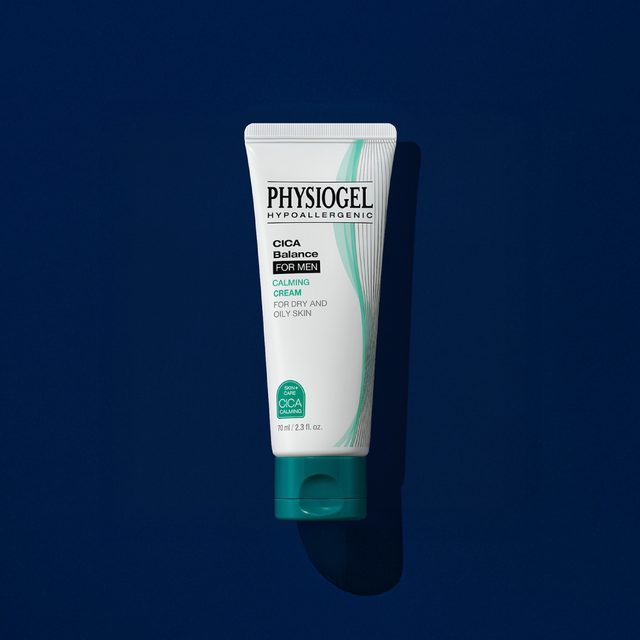
PHYSIOGEL
Cicabalance For Men Calming Cream
Key: Asiatic Acid (#13 on the ingredient list), Niacinamide, Madecassoside
It's made for calmer skin and better barrier support.
Key: Asiatic Acid (#13 on the ingredient list), Centella Asiatica Leaf Water 80%, Madecassoside
10 claims, summarized
- Only partly backed:
- calmer skin · better barrier support
See each claim
claims, checked
Silicone oil was not used.
backed by evidenceThe white color of raw ingredients that used no synthetic colorants
backed by evidenceA moisturizing lotion with little oiliness!
plausible, not testedHighly concentrated! High content! Centella asiatica leaf water 80%
partly backedA barrier moisturizing lotion made with only skin health in mind
partly backedHelps soothe troubled skin and care for the barrier
partly backedpH approx. 6.3, weakly acidic product
partly backedNo synthetic fragrance is used, so it has the inherent scent of the raw ingredients.
partly backedSkin irritation test completed
no supporting source foundAnimal-derived free
no supporting source found
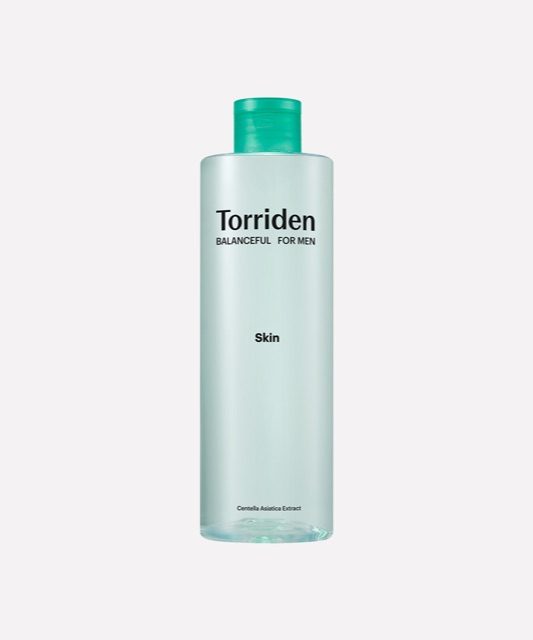
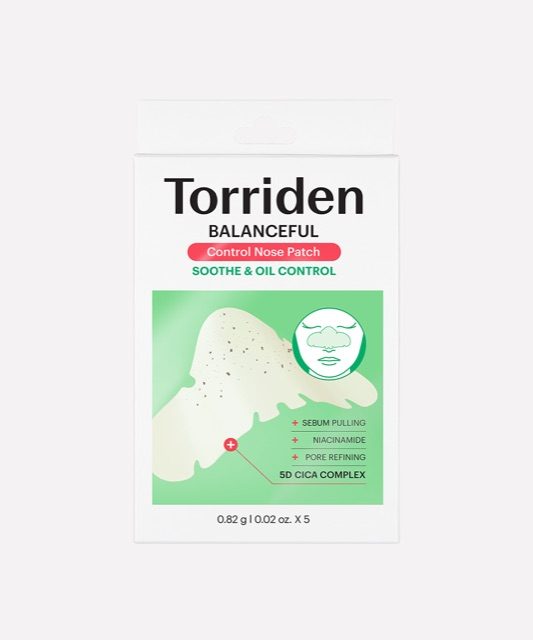
Often featured alongside it
Are the claims about it backed up?
We checked each claim that features this ingredient. Open the list below to see the result for each one.
See the results by claim
| Result | Claims |
|---|---|
| backed by evidence | 2 of 8 |
| plausible, not tested | 2 of 8 |
| partly backed | 2 of 8 |
| no supporting source found | 1 of 8 |
| nothing specific to check | 1 of 8 |
These are counts of claims, not products. One product can name the same ingredient in several claims, and we checked each one on its own.
Sources
We summarized the published studies and public records listed below, each with its DOI or PubMed number. Findings about treating medical conditions are outside what a cosmetics page covers, so we left them out.
What won't it do?
It isn't shown to firm skin.
The collagen results all come from cells in dishes, and the human wrinkle studies in this field tested the plant extract and a different compound, not asiatic acid.
Cell cultures on one side, and on the other a review of human wrinkle studies that does not list asiatic acid among what was applied.
The collagen evidence is fibroblast culture and keratinocyte culture under a glycation challenge.
It isn't a stronger form of asiaticoside.
Put side by side in the same test, both forms raised collagen by about the same amount, so neither one is the stronger form.
The one laboratory test that ran both forms in the same experiment on cultured human skin cells.
Contradicted by the one head to head assay.
Tested separately, the individual components stimulated collagen I synthesis to a similar extent, and the source concludes that "the sugar moiety of the molecule does not seem to be necessary" for this activity.
It doesn't absorb well on its own.
Asiatic acid dissolves poorly, and in its own permeation test the plain version was a weak arm while the wrapped version let several times more through.
The same artificial sheet test, comparing a plain gel and a plain solution against a gel with tiny carriers in it.
Contradicted by the reason the delivery literature exists.
Low bioavailability due to poor solubility is stated as the limit on practical application, and a plain hydroethanolic asiatic acid solution in gel achieved 1.18% penetration against 8.53% for the transfersomal gel in the same experiment.
Don't count on it to repair sun aging.
The photoaging result belongs to a different, easier to dissolve version of the compound and was measured in mouse skin, so it does not carry over.
An animal study on a salt form of asiatic acid, which was chosen precisely because plain asiatic acid dissolves too poorly.
The anti photoaging result frequently associated with asiatic acid was generated with AAGS, asiatic acid compounded with glucosamine, introduced explicitly as a highly bioavailable form because plain asiatic acid's solubility is limiting.
Calming skin isn't shown.
The calming result came from an animal study where the amount was set by body weight, which is not a dose you put on skin, so it says nothing about what a cosmetic does.
An animal study alongside cell culture work, with no amount applied to skin stated anywhere in it.
The retrieved abstract does not state the route, but mg/kg body weight dosing is a whole animal exposure and not a defined topical dose.
Lab and related-material results
In lab cells it boosts collagen, more so with vitamin C.
In dishes outside skin, asiatic acid made human skin cells put out more collagen, and more again when vitamin C was in the dish with it.
A laboratory test on cultured human skin cells, not on anyone's skin.
Demonstrated directly and comparatively.
Ascorbic acid raised the level of collagen I secretion for each component, so the assay condition matters.
In lab cells it keeps collagen from dropping under stress.
Outside skin, when cells were put under sugar related stress, asiatic acid kept their collagen from dropping and held back the enzymes that break collagen apart.
Cultured cells from the outer skin layer, deliberately stressed in a dish rather than tested on skin.
Asiatic acid pretreatment maintained collagen I expression and reduced three MMPs under an AGE challenge.
Packed in a carrier gel, several times more gets through in lab tests.
How it is packaged changed how much got through: a gel that wrapped asiatic acid in tiny carriers let several times more pass than plain gels or a plain solution did.
The passing through was measured on an artificial sheet standing in for skin, not on skin itself.
Transfersomal gels outperformed both non transfersomal gels and a hydroethanolic solution on percentage penetration and flux.
Citations
- 1Bonte F, Dumas M, Chaudagne C, Meybeck A. Influence of asiatic acid, madecassic acid, and asiaticoside on human collagen I synthesis. Planta Med. 1994;60(2):133-135.DOI 10.1055/s-2006-959434PMID 8202564
- 2Opatha SAT, Titapiwatanakun V, Boonpisutiinant K, Chutoprapat R. Preparation, Characterization and Permeation Study of Topical Gel Loaded with Transfersomes Containing Asiatic Acid. Molecules. 2022;27(15):4865.DOI 10.3390/molecules27154865PMID 35956816
- 3Wang ZH. Anti-glycative effects of asiatic acid in human keratinocyte cells. Biomedicine (Taipei). 2014;4(3):19.DOI 10.7603/s40681-014-0019-9PMID 25520932
- 4Huang J, Tu T, Wang W, Zhou G, Zhang W, Wu X, Liu W. Asiatic Acid Glucosamine Salt Alleviates Ultraviolet B-induced Photoaging of Human Dermal Fibroblasts and Nude Mouse Skin. Photochem Photobiol. 2020;96(1):124-138.DOI 10.1111/php.13160PMID 31483870
- 5Moon GH, Lee Y, Kim EK, Chung KH, Lee KJ, An JH. Immunomodulatory and Anti-inflammatory Effects of Asiatic Acid in a DNCB-Induced Atopic Dermatitis Animal Model. Nutrients. 2021;13(7):2448.DOI 10.3390/nu13072448PMID 34371956
What each point on this page rests on, with full citations.