Olive Young cleansing balms and oils: six first cleanse picks
Six Korean cleansing balms and oils from the Olive Young shelf, sorted by what their labels disclose, including which ones are scented and which are not.
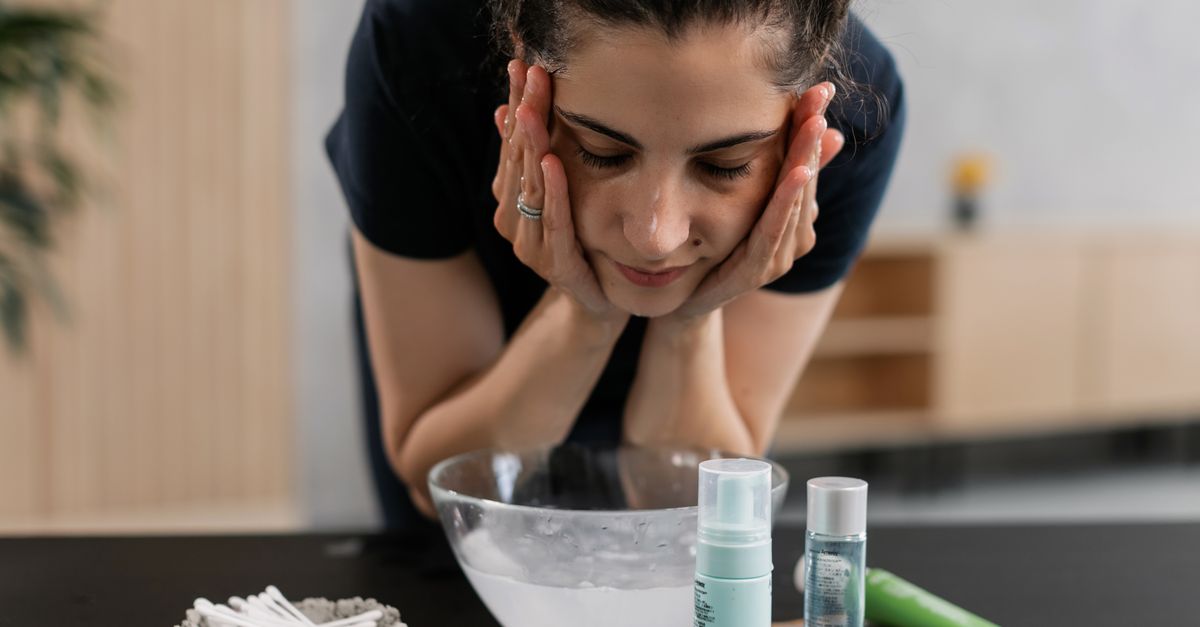
The first cleanse is the step Korean routines take most seriously and the step visitors most often get wrong. It is not an extra wash. It is the oil soluble half of the job, and its whole purpose is to remove sunscreen and makeup so that the foaming cleanser afterwards can be mild rather than aggressive.
Balms and oils do the same work through the same chemistry. A balm is a solid version you warm between your fingers, an oil is a pourable one, and both dissolve what water cannot lift and then rinse away with an emulsifier.
Which leaves one real question at the shelf, and it is not balm or oil. It is what else is in the jar.
What we checked
We read each full ingredient list and asked three things. All of it assumes you have already decided whether a first cleanse belongs in your routine at all, which depends on what you put on your face that morning rather than on your skin type.
Whether the fragrance situation is disclosed, because a first cleanse sits on your face for a minute and then goes down the drain, and a scented one is a lot of exposure for something you are not keeping.
Whether the named star ingredient is present at a position that could plausibly matter, or whether it appears far down the list at a level the brand itself prints in parts per billion.
And whether there is a second function, an acid or an enzyme, that changes who the product suits. Several of these carry one and do not lead with it.
We did not rank by sales or reviews, and we ignored any percentage published without a test method and a subject count.
Fragrance-free balms
beplain Mung Bean Pore Cleansing Milk Balm
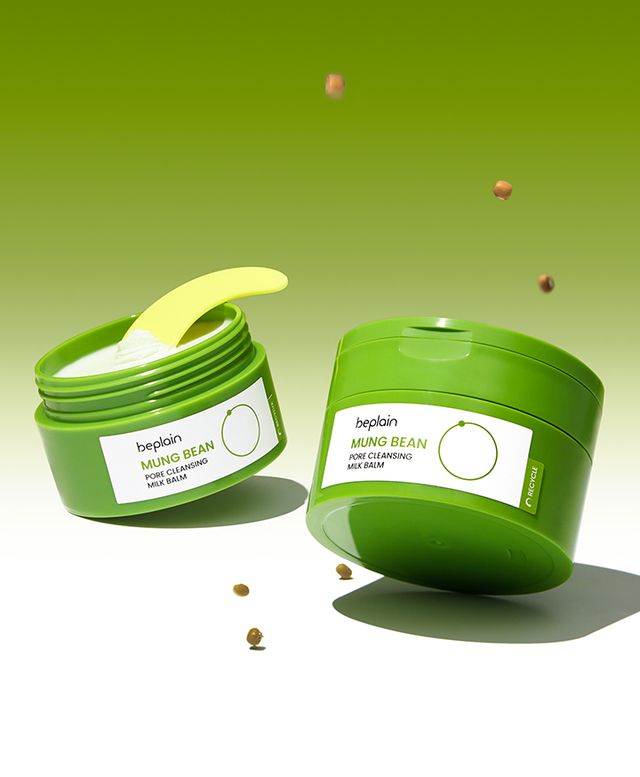
An oil and wax balm built to break into a milky emulsion the moment water hits it, through a specific pair of polyglyceryl ester emulsifiers rather than a generic surfactant.
No fragrance ingredient appears anywhere on the list. That alone narrows the category more than most shoppers expect.
There is a mild acid pair in here as well, an LHA and a PHA, both at undisclosed levels. Present but unquantified is exactly how to hold them: enough to justify the pore language on the front, not enough to treat this as an exfoliating step.
The mung bean figure the brand leads with is disclosed, but on a retailer page rather than the brand's own listing, which is a weaker place for a number to live than it looks.
Texture: melts fast, rinses milky Fragrance-free: yes Watch for: acid levels undisclosed
UIQ Biome Barrier™ Cleansing Balm
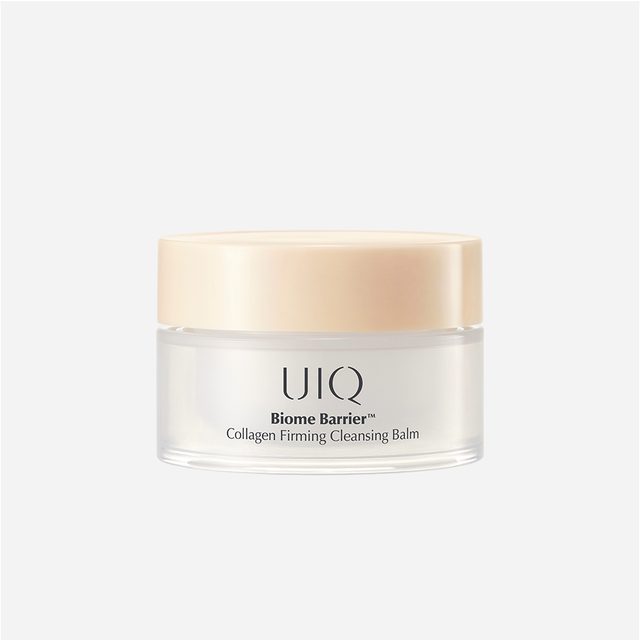
The most unusual list of the three balms, and the one that discloses the most.
Two ingredients carry printed concentrations. A Cutibacterium avidum ferment filtrate sits eighth on the list at a real level, and hydrolyzed collagen sits twenty fifth at a trace one. The brand printed both, which lets you see for yourself that the collagen in the product name is thinner than the name implies.
It also carries two separate routes to surface exfoliation, a protease enzyme and a lipophilic salicylic acid derivative, in the same formula. That combination is the reason to consider it for congested skin and the reason to skip it if you are avoiding salicylates.
No fragrance ingredient is on the list. The brand's own claims for the product are two short hashtags about whiteheads and texture, with no test behind either that we could find.
Texture: classic warm and melt balm Fragrance-free: yes Watch for: salicylate derivative, enzyme
Scented balms, and why that matters
Round Lab 1025 Dokdo Cleansing Balm
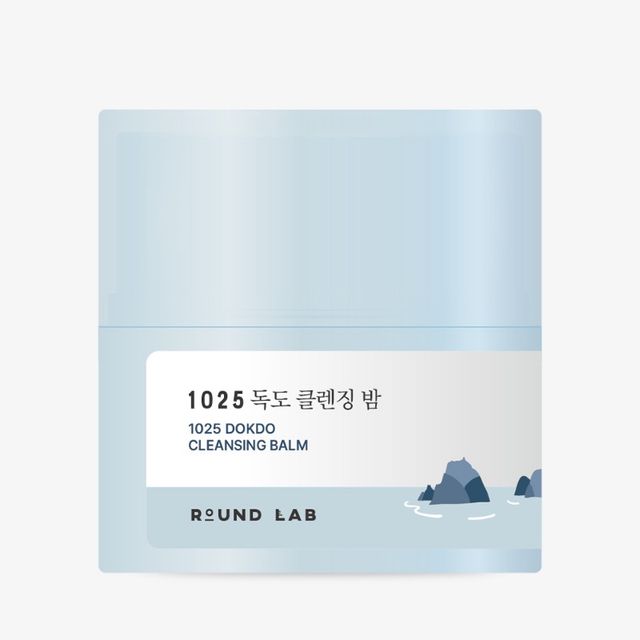
Read the tail of this ingredient list rather than the front. After the usual ester and wax opening, it assembles seven physiological lipid entries: five ceramides plus cholesterol and phytosphingosine, alongside a protease and a lipophilic salicylic acid ester.
That is an unusual lipid deck for something you rinse off, and every one of those entries sits at an undisclosed level in the free ordering region of the label, so it is a formulation gesture rather than a measured dose.
The part that should decide it for you sits earlier. This balm is scented with a bergamot and sage essential oil pair, with two terpene allergens declared. For reactive skin that is a genuine caution rather than a preference, and it is the single fact most likely to change your answer.
Texture: melting balm Fragrance-free: no, essential oil pair Watch for: declared terpene allergens
Cleansing oils
beplain Mung Bean Cleansing Oil
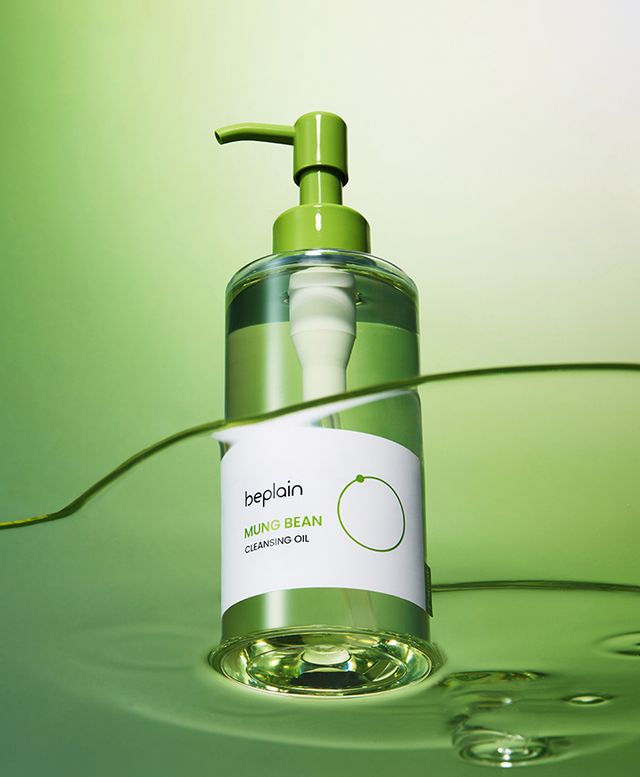
The fragrance-free oil, and the lightest bodied of the three.
Its base is two branched alkyl esters with green tea seed oil rather than a plant oil pile, which is why it feels thinner than a traditional cleansing oil and rinses faster. No fragrance material of any kind is declared.
The brand discloses its four mung bean extracts at parts per million, which is more than the category usually offers. It also publishes two different sets of those figures on two of its own pages, with different orderings. That is not a reason to avoid the product. It is a reason not to quote either figure as fact, and we would rather tell you that than pick the flattering one.
Texture: light, fast rinsing Fragrance-free: yes Watch for: brand's own numbers disagree with each other
Ma:nyo Pure Soybean Cleansing Oil
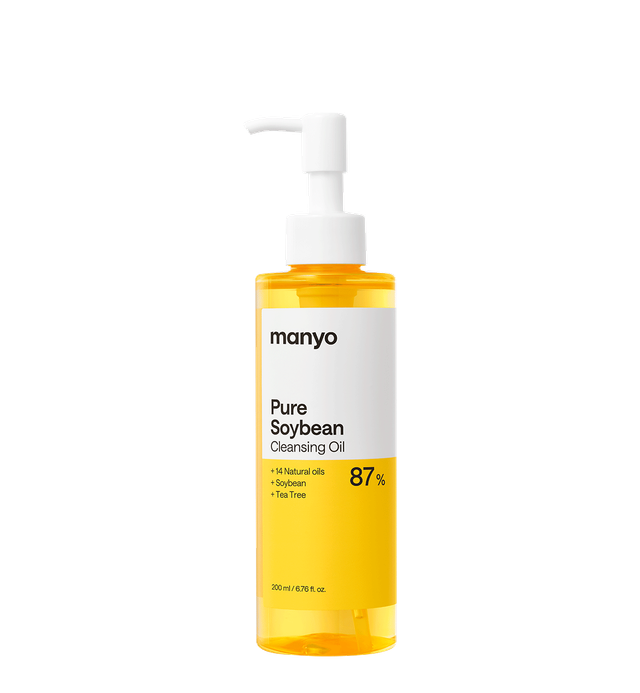
The plant oil answer to the one above, and the most transparent product on this page about what it actually is.
Soybean oil is disclosed at sixty seven percent, the single largest entry on a list dominated by plant carrier oils. Almost nothing in this category prints a headline concentration at all.
It is aimed at sebum, blackheads and pore debris rather than at makeup specifically, and no makeup removal claim appears in the brand's own material, which is worth knowing before you buy it as your only first cleanse for a full face.
Three named essential oils, lavender, tea tree and orange peel, plus two declared allergen markers, make this a scented product.
Texture: true oil, richer slip Fragrance-free: no, three essential oils Watch for: not positioned for heavy makeup
Anua Heartleaf Pore Control Cleansing Oil
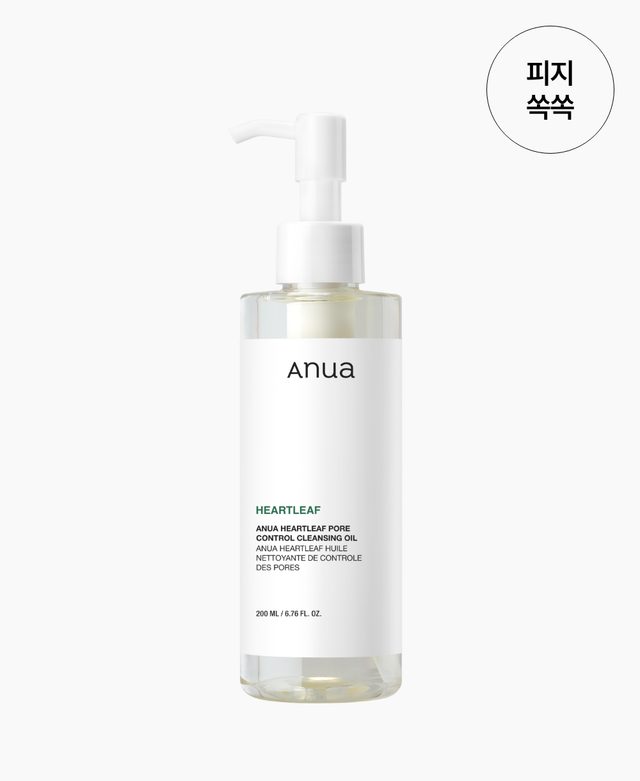
An ester led oil with a fast emulsifying pair second and third on the list, which makes it lighter and quicker to rinse than a plant oil build.
It is a removal step and nothing more. There is no humectant, no acid and no conditioning agent on the list, so nothing is meant to stay behind. For oily skin that dislikes the film a richer oil leaves, that is the appeal.
Then there is the heartleaf. It is in the product name and it sits eighteenth of twenty two ingredients at an undisclosed level, while a fragrance compound sits sixth, ahead of every oil and every botanical in the formula. Both facts are printed on the label, and together they are the reason this is not our default pick in its own category despite a strong sebum removal signal.
Texture: light, emulsifies quickly Fragrance-free: no, fragrance declared high on the list Watch for: the named botanical sits near the end
How to choose between them
If your skin reacts and you do not know to what, start with the two fragrance-free balms or the fragrance-free oil. Removing scent from the equation is the cheapest diagnostic move available to you.
If your complaint is blackheads and midday shine rather than makeup, the two oils built around sebum are the better fit, and the scent question decides which. What a pore claim can and cannot mean is worth reading before you spend on that promise.
If you wear long wearing makeup daily, a balm gives you more contact time before it emulsifies, which is why balms tend to win that specific job.
And if you have never double cleansed, add only the first cleanse and keep your current face wash. Changing both steps at once means you will not know which one caused whatever happens next.
Common questions
Do I actually need two cleansers?
If you wear sunscreen, yes, functionally. Modern sunscreen films are built to resist water, which is the point of them, and a water based cleanser has to be quite harsh to remove one in a single pass. An oil or balm removes it gently and lets your second cleanse stay mild.
Will a cleansing oil break me out?
It depends on the base rather than on the word oil. Ester led formulas like the beplain and Anua entries here behave differently from plant oil heavy ones. If you have had trouble with cleansing oils before, an ester led light one is the more sensible retry.
Does the balm have to be rinsed with a second cleanser?
Rinse thoroughly either way. Whether you follow with a foam depends on what you put on your face that morning. Sunscreen alone often does not need it. A full face usually does.
Are the ceramides in a rinse off product doing anything?
Probably very little, and none of the brands here disclose a level that would let anyone check. Treat a lipid list on a cleanser as a hint about formulation posture rather than as a barrier treatment.
If you are trying to work out whether it is the scent, the acids or the surfactant that your skin objects to, tell us what you have been using and we will read those labels next to these.
Products mentioned
Key: Mung Bean Extract, Capryloyl Salicylic Acid, Gluconolactone
7 claims, summarized
- Only partly backed:
- a smoother skin texture
See each claim
claims, checked
A hybrid texture that turns from balm to milk
plausible, not testedContains 10,000ppm of mung bean extract
partly backedContains the exfoliating ingredients PHA and LHA
partly backedGentle and clean deep cleansing
overstatedA cleansing balm that cleanly melts away even sebum and flakes inside pores
overstatedPore confidence, mung bean
nothing specific to checkJoyful skin confidence, beplain
nothing specific to check
Round Lab
1025 Dokdo Cleansing Balm
Key: Ceramide, Cholesterol, Phytosphingosine
2 claims checked
claims, checked
For forest protection it was produced using soy ink on an FSC certified carton
plausible, not testedBecause of the nature of the balm texture we recommend storage at 10 to 30℃, and oil beading may occur at the dispensing opening, but this occurs because of the nature of the texture and the container and there is nothing wrong with the product.
plausible, not tested
Key: Cetyl Ethylhexanoate, Caprylic/Capric Triglyceride, Cutibacterium Avidum Ferment Extract Filtrate
1 claim checked
claims, checked
#WhiteheadRemoval #FlakeImprovement
overstated
beplain
Mung Bean Cleansing Oil
Key: Ethylhexyl Palmitate, Cetyl Ethylhexanoate, Sorbeth-30 Tetraoleate
1 claim checked
claims, checked
Pore confidence, mung bean
overstated
Key: Glycine Soja (Soybean) Oil, Sorbeth-30 Tetraoleate, Melaleuca Alternifolia (Tea Tree) Leaf Oil
4 claims checked
claims, checked
A deep cleansing product that melts away blackheads and sebum inside pores with 87% plant oil containing soybean
partly backedNo.1 deep cleansing oil for blackheads and sebum inside pores
overstatedGlobal No.1 Pure Soybean Cleansing Oil
overstatedSoybean cleansing that empties without a gap
overstated
Key: Ethylhexyl Palmitate, Sorbeth-30 Tetraoleate, Sorbitan Sesquioleate
2 claims checked
claims, checked
※ Because no artificial colourant is used, colour fading may occur depending on how it is stored.
partly backedHeartleaf Pore Control Cleansing Oil
overstated