How much cica is actually in a cica cream?
Five Korean cica products that print their own numbers, and a gap of more than four thousand fold between the top of the range and the bottom.
Short answer: usually nobody tells you, and among the Korean products that do tell you, the range runs from about 2 percent down to about four ten thousandths of a percent.
That is a gap of more than four thousand fold between two bottles that both say cica on the front, and the only reason we can describe it at all is that a handful of brands print the figure when nothing obliges them to.
One thing to say plainly before the numbers. We went looking for cica creams specifically, and among the products we have read end to end, the creams are the format least likely to publish an amount.
What follows is mostly toners and one cleanser, because those are the products that actually printed a number.
What is cica, on a label?
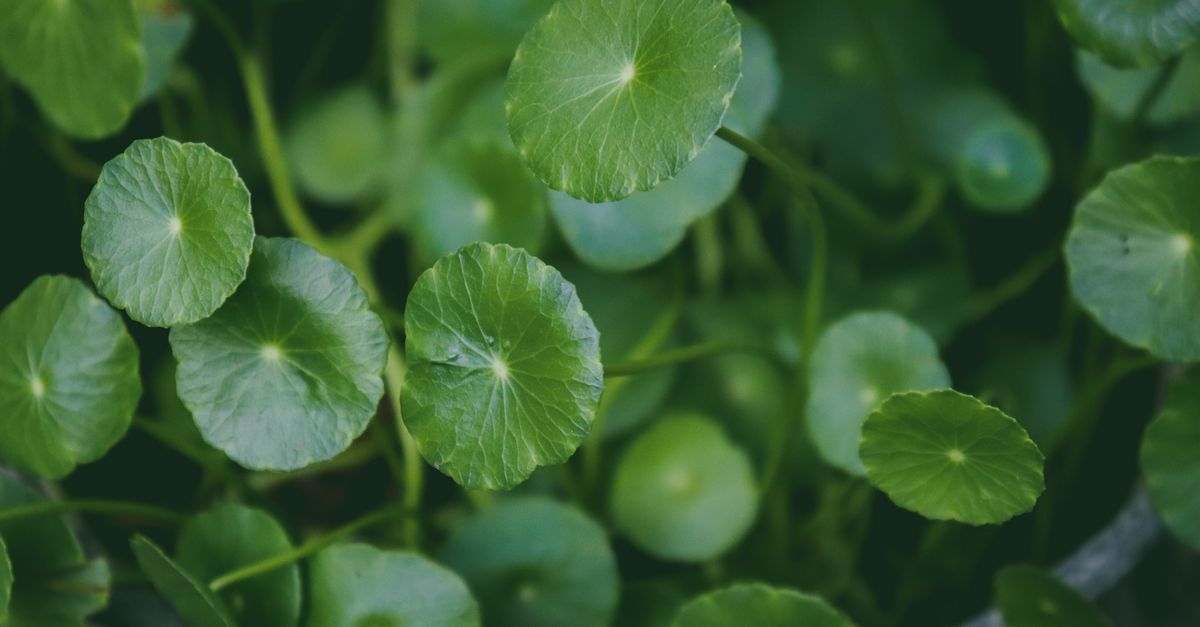
Cica is a nickname, not an ingredient. On an ingredient list it appears as centella asiatica extract, and often as a set of purified fractions alongside it: madecassoside, asiaticoside, madecassic acid and asiatic acid.
That distinction matters when you read a figure. A whole plant extract at 1 percent and a purified triterpene at 0.4 parts per million are two different kinds of number.
Some brands disclose both, which is why a single product can list eight centella entries with eight different values.
The purified fractions are where most of the published anti inflammatory work sits. The whole extract is what the marketing usually means. Neither of them is on the label at a level you can assume.
The top of the range
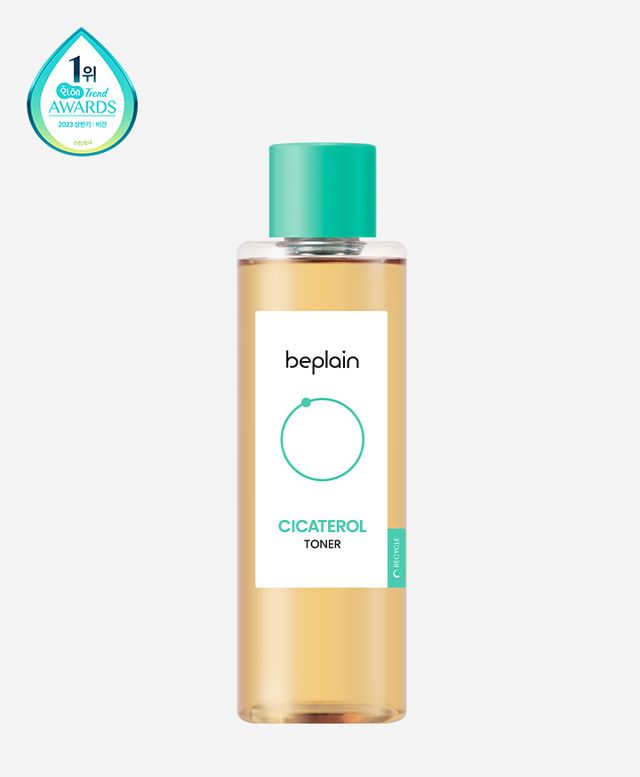
beplain Cicaterol Toner has five ingredients. Water, propanediol, centella asiatica extract at a printed 2 percent, 1,2-hexanediol and beta sitosterol.
Two percent is 20,000 parts per million, and it is the highest disclosed centella level in anything we have read.
The short list is the point and also the limit. There is no occlusive here, no humectant stack, and beta sitosterol, the sterol half of the product name, is printed last with no amount. So this is a soothing water step that needs a cream over it rather than a moisturizer.
Two percent is also a real dose in the other direction. Centella and its asiaticoside fraction carry published contact allergy reports, so a product that discloses this much is one to check against your own history with centella rather than assume is gentle.
Best for: reactive skin that wants very few ingredients Fragrance-free: yes
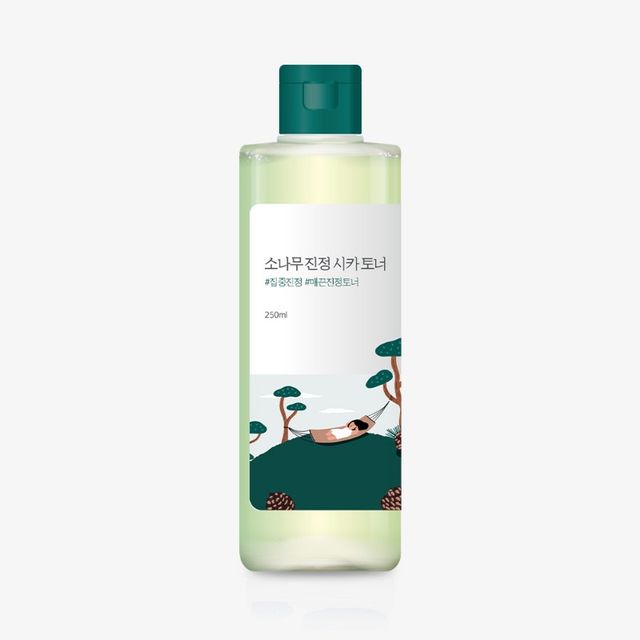
Round Lab Pine Calming Cica Toner prints centella asiatica extract at 10,699 parts per million, which is 1.07 percent, and then prints four purified markers separately at 0.4090 parts per million each.
Publishing the whole extract and the isolated fractions as two different disclosures is unusually thorough.
The bigger number on this label is not the cica at all. Pine leaf extract sits second at 400,196 parts per million, which is 40 percent of the formula, so the pine in the product name is a compositional fact rather than a gesture.
Read one thing before buying. This is not an acid free toner. Capryloyl salicylic acid and gluconolactone are both on the list, the first of which sits on the usual pregnancy caution lists, and the label's all skin types line does not account for either.
Best for: oily and combination skin that wants soothing plus a mild acid Fragrance-free: yes
The middle, and a rinse-off
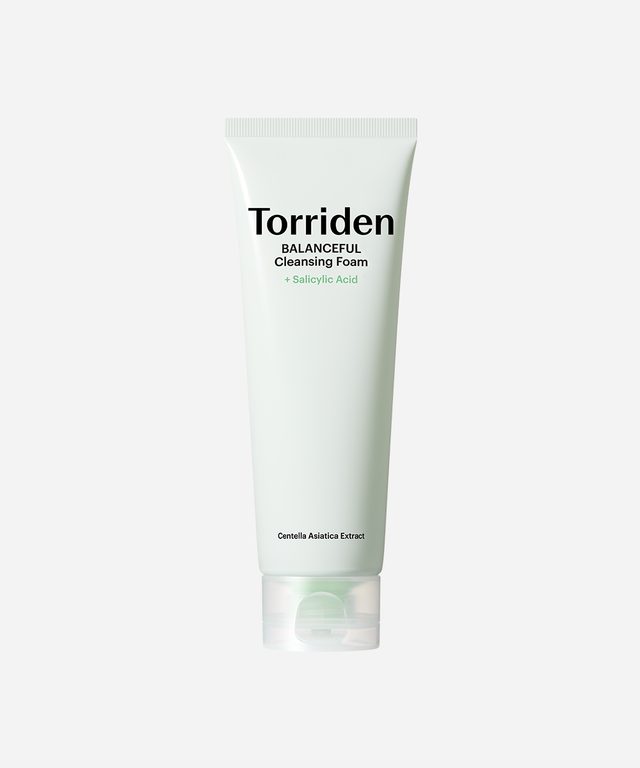
Torriden Balanceful Cica Pore Cleansing Foam discloses centella asiatica extract at 2,002 parts per million, roughly 0.2 percent, with the four triterpenes immediately after it at undisclosed levels. That is one of very few figures on a forty two entry list.
The important qualifier is the format. This is a wash, so contact time is measured in seconds and most of what is in the bottle leaves with the water.
A disclosed 0.2 percent in a rinse-off delivers less than an undisclosed trace in a leave-on would, and the number tells you about the formula rather than about your face.
Salicylic acid sits thirteenth, ahead of the entire centella block, so the pore claim in the name rests on the acid and not on the botanical. That salicylic acid also sits on the usual pregnancy caution lists, which matters less in a rinse-off than in a leave-on and is still worth knowing.
There is a fragrance ingredient and a rosemary leaf oil on this list, which rules it out for anyone avoiding either.
Best for: oily skin wanting a wash with a mild keratolytic Fragrance-free: no
The cream, where the number comes from somewhere else
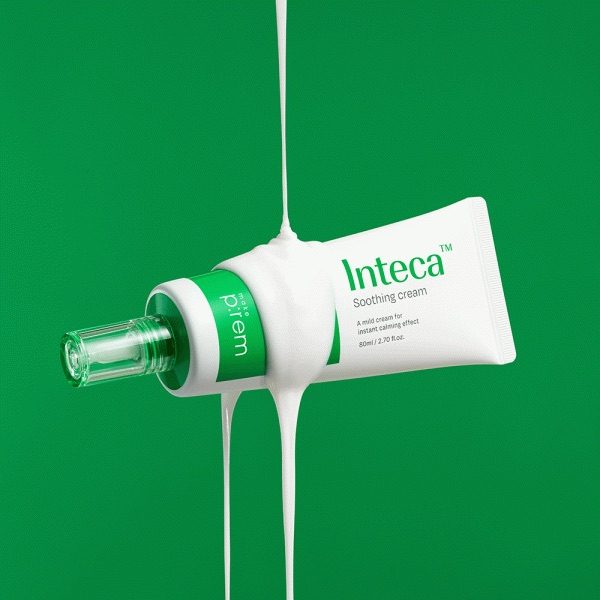
make p:rem Inteca Soothing Cream is the one cream here, and it is the clearest example of why this question is hard to answer.
The formula genuinely carries the three component centella triterpene set, asiaticoside, asiatic acid and madecassic acid, at positions seventeen through nineteen. Those are real ingredients with real literature behind them.
The 10,000 parts per million figure attached to this product in circulation, meaning 1 percent, does not appear on a brand page or on any label surface in the material we hold. It reaches us through a third party site.
So the number that would let you place this cream on the ladder above is not a disclosure, it is a report of a disclosure, and those are different things.
Three further claims on this product need the same caution.
- A patented process is named with no patent number or process description.
- A nano size is asserted with no particle data.
- A non comedogenic result described as proven names no institution, no participant count and no date, while the sebum reduction half of the same sentence has no ingredient on the list at a disclosed level behind it.
The dual functional cosmetic registration for brightening and wrinkle improvement is the solid part, and it rests on niacinamide and adenosine rather than on the centella.
Best for: skin wanting a light soothing cream, judged on the formula rather than the figure Fragrance-free: yes
The bottom of the range, disclosed by the brand itself
Dr.G Red Blemish 10-Cica Capsule Soothing Toner is the most instructive label in this piece, and it earns that position by being honest.
The product name promises ten cica. The label delivers eight centella family entries and prints an amount for every one of them: 2.1, 1.0, 1.0, 0.18, 0.02, 0.002, 0.002 and 0.0008 parts per million.
Add them up and the total centella content is roughly 4.3 parts per million, which is about 0.0004 percent.
Set that against the 2 percent at the top of this article and the same word on two front labels covers a gap of more than four thousand fold.
We want to be clear about who deserves criticism here, because it is not the disclosure. Almost no brand publishes these numbers, and this one published eight of them. What the numbers show is that the ingredient the product is named after is present at trace level, and the only reason anyone can say so is that the brand printed it.
The rest of the formula is not empty. Niacinamide sits seventh, there is a broad humectant set, and the modest claim about conditioning and hydration is one the composition carries easily.
The claims that fail are elsewhere.
- An exosome is named that appears nowhere on the forty eight entry list.
- A 2,600 times smaller than a pore comparison is offered with no reference value.
- A barrier strengthening line rests on a trace ceramide with no cholesterol, no fatty acid and no occlusive anywhere.
Best for: oily skin that likes the capsule texture and reads the numbers Fragrance-free: yes
So what should you actually do with this?
- Stop treating the word as information. Cica on a front label tells you the category the brand is selling into and nothing about the amount.
- Look for a printed figure, and if there is one, check whether it belongs to the whole extract or to a purified fraction. A number in the thousands of parts per million next to centella asiatica extract is a substantive inclusion. A number below ten parts per million is a label entry.
- Weigh the format. A disclosed level in a rinse-off is worth less than the same level in something you leave on, which is the one comparison the numbers alone will not make for you.
We wrote about why printed concentrations are worth this much attention in the ppm the brand printed itself.
Common questions
Is more cica always better?
No, and two percent is enough of a dose that the allergy question becomes real. The useful framing is that a trace amount cannot be doing what the packaging says, and a substantive amount is a substantive exposure.
Which fraction matters most?
Madecassoside and asiaticoside carry most of the published soothing work. They are also the entries most often present at fractions of a part per million, which is the tension at the center of this whole category.
Does a cica cream beat a cica toner?
Format matters less than the number and the leave-on question. A leave-on cream with a real level beats everything else here, and we could not find one in our material that publishes the level on its own surface.
Is a product with no figure automatically worse?
Not automatically. It is unknowable, which is a different problem. Judge those products on the rest of the list, the way you would judge any formula whose headline ingredient you cannot measure.
If you own something with cica on the front and cannot find a number anywhere on the back, send us the listing and we will count the centella entries with you.
Products mentioned
beplain
Cicaterol Toner
Key: Centella Asiatica Extract 2%, Beta-Sitosterol
1 claim checked
claims, checked
Take an appropriate amount into your hands, pat and apply, and let it absorb.
backed by evidence
Round Lab
Pine Calming Cica Toner
Key: Pinus Densiflora Leaf Extract, Centella Asiatica Extract, Glycoprotein
4 claims checked
claims, checked
Pine leaf extract (400,196ppm)
backed by evidenceCentella asiatica extract (10,699ppm)
backed by evidenceGlycoprotein (8.1800ppm)
backed by evidenceA soothing toner that mildly tidies the grain of the skin
plausible, not tested
Key: Centella Asiatica Extract, Madecassoside, Asiaticoside
3 claims checked
claims, checked
Balanceful Cica Pore Cleansing Foam
backed by evidenceBalanceful Cica Pore Cleansing Foam
partly backedBalanceful Cica Pore Cleansing Foam
nothing specific to check
make p:rem
Inteca Soothing Cream
It's registered in Korea as a functional cosmetic for brightening and wrinkle improvement.
Key: Asiaticoside, Asiatic Acid, Madecassic Acid
5 claims, summarized
- You can expect:
- less visible dark spots · softer-looking fine lines
See each claim
claims, checked
Functional cosmetic (brightening, wrinkle improvement) review completion status under the Cosmetics Act: functional cosmetic
backed by evidenceA non-comedogenic moisture cream that helps rapid soothing with 10,000 ppm of concentrated centella
plausible, not testedCore ingredients: InTECA (TECA) 10,000 ppm, triple hyaluronic acid
plausible, not testedIt is an ingredient stabilised by applying a patented method to TECA, the core component of centella. It holds as much as 10,000 ppm (1%) of the concentrated active ingredient at nano size, maximising absorption into the skin.
overstatedA product that completed a non-comedogenic clinical study, proving it does not clog pores and has a sebum reduction effect
no supporting source found
It's made for better hydration.
Key: Niacinamide, Centella Asiatica Leaf Extract, Madecassoside
5 claims, summarized
- Only partly backed:
- better hydration
- Don't count on:
- better barrier support
See each claim
claims, checked
Centella asiatica leaf extract (2.1ppm)
backed by evidenceIt conditions the skin and delivers a moisturizing effect.
plausible, not testedSoothing capsules fill moisture layer upon layer and strengthen the skin barrier.
overstatedIt combines 10-Cica exosomes 2,600 times smaller than a pore with ceramide.
no supporting source foundIt opens moisture pathways inside the skin, raising the absorption of the next skincare step.
nothing specific to check