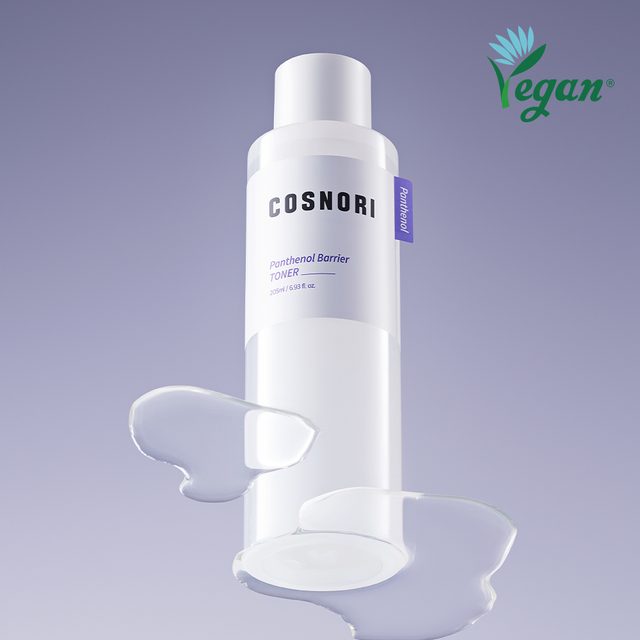
COSNORI Panthenol Barrier Toner
Ingredients and claims, checked
Last checked September 6, 2026
Other stores (1)
- AmazonShips to the USSeller not confirmed
We don't earn anything from these links. If that ever changes, we'll label the link.
What is it like at a glance?
What is this product?
- What to expect
- It's registered in Korea as a functional cosmetic for brightening and wrinkle improvement.
- Key ingredients
- Panthenol, Niacinamide, Adenosine
- When
- Morning and evening
A slightly thick toner made with panthenol. It also contains madecassoside. It comes in a 205 ml size.
Who is it for?
Good for
- Dehydrated oily skin
- Sensitive skin
- Skin with a weakened barrier
Less suited to
- Skin that doesn't get along with acids (AHA, BHA)
What's good, and what to watch for?
Good points
- Registered as a brightening and wrinkle-care functional cosmetic
- Panthenol adds moisture
- Ceramide replenishes the skin barrier
Watch-outs
- If you get fungal acne: Lactobacillus/Soybean Ferment Extract, Lactobacillus/Rice Ferment
How do you use it?
- Where in your routine
- First leave-on step after cleansing, as a hydrating and barrier-supporting toner
- Pairs well with
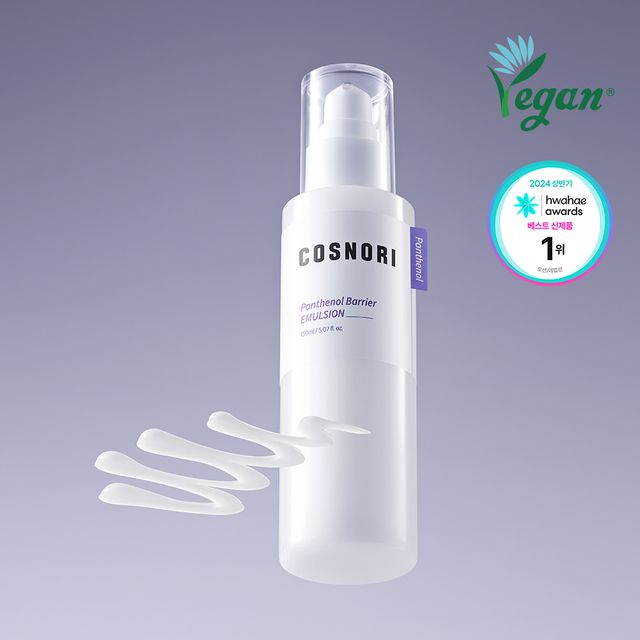
- A lipid-led cream or emulsion as the closing step
- A vitamin C serum applied in a separate session or at a separate time of day
What is in it?
The full ingredient list as the brand publishes it, in the printed order. Tap a name to read about that ingredient.
This brand publishes its ingredient list in Korean only. Names below are the matching INCI names from the Korean Cosmetic Association ingredient dictionary.
Key ingredientWorth a closer look
- Water
- Butylene Glycol
- Panthenol
- Dipropylene Glycol
- Glycereth-26
- Niacinamide
- 1,2-Hexanediol
- Terminalia Ferdinandiana Fruit Extract
- Centella Asiatica Extract
- Asiaticoside
- Madecassoside
- Ceramide NP
- Ananas Sativus (Pineapple) Fruit Extract
- Carica Papaya (Papaya) Fruit Extract
- Avena Sativa (Oat) Meal Extract
- Lactobacillus/Soybean Ferment Extract
- Lactobacillus/Rice Ferment
- Lactobacillus/Panax Ginseng Root Ferment Filtrate
- Saccharomyces/Coix Lacryma-Jobi Ma-yuen Seed Ferment Filtrate
- Saccharomyces/Potato Extract Ferment Filtrate
- Sodium Hyaluronate
- Hydrolyzed Hyaluronic Acid
- Camellia Japonica Seed Oil
- Asiatic Acid
- Madecassic Acid
- Linoleic Acid
- Lactobionic Acid
- Sodium Hyaluronate Crosspolymer
- Sodium Acetylated Hyaluronate
- Hydrogenated Lecithin
- Propanediol
- Sodium Citrate
- Betaine
- Glycerin
- Citric Acid
- Sodium Polyacryloyldimethyl Taurate
- Hydroxypropyltrimonium Hyaluronate
- Adenosine
- Pentylene Glycol
- Caprylic/Capric Triglyceride
- Ethylhexylglycerin
Ingredients with no mark are ones we found nothing notable about, and when marks overlap on one ingredient we show the caution first.
What the claims add up to
- You can expect:
- less visible dark spots · softer-looking fine lines
See each claim, checked (4)
Claims, checked
Dual functional cosmetic for whitening & wrinkle improvement
backed by evidenceWhitening improvement (functional) 1 item
backed by evidenceExpiry date or period after opening: marked separately / within 12 months after opening
backed by evidenceRecommended ingredients, skin conditioning, 25 items
nothing specific to check
We quote each claim exactly as the brand published it, then check it against the ingredient list and the brand's own documents.
What else is worth seeing?
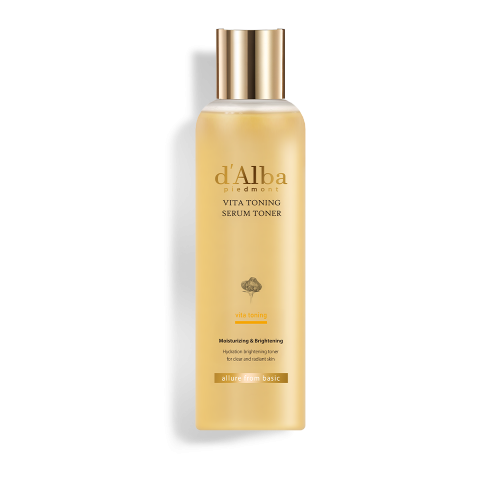
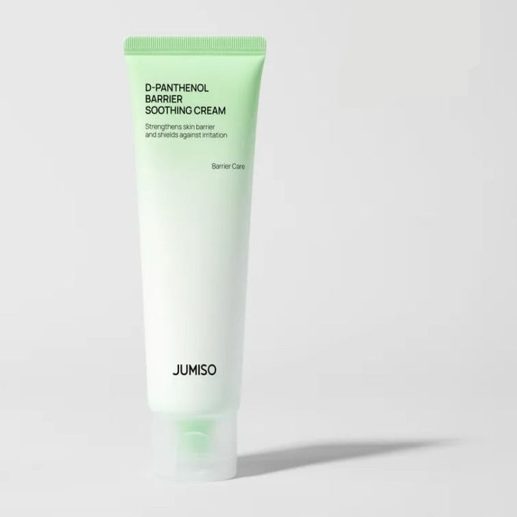
Products we read alongside this one.
Which articles cover it?
Articles on this site that write about this product.
- Can you use niacinamide and vitamin C together?244 Korean products put both in one bottle. The flushing story comes from high heat conditions. The real reason to separate them is pH, which nobody publishes.
- Dry skin is short on lipid, not water, so build the routine around thatDry and dehydrated are different problems with different answers. Five Korean products for the lipid side, with the ceramide figures each one prints.