Minimalism, counted against what a formula actually needs
Four ingredient names appear on most Korean labels we hold. Knowing which four tells you how short a short list can honestly get, and when short is a signal.

Skincare minimalism is usually sold as a count. Fewer ingredients, fewer things to react to, less of what you did not ask for.
The count is a reasonable instinct and a poor measurement. A short list is short for one of two very different reasons, and they look identical on the box.
So instead of arguing about it, we counted what is actually on Korean labels.
Four names carry almost everything
Across the 2,228 labels whose full list we hold, four ingredient names appear on the large majority.
- Purified water, on 2,113. The solvent almost everything else is dissolved in.
- Glycerin, on 1,839. The humectant that does most of the hydrating work in most products.
- 1,2-hexanediol, on 1,972. A preservation booster and solvent, and the reason many lists can avoid more traditional preservatives.
- Butylene glycol, on 1,858. A solvent and texture agent that carries extracts into the formula.
None of those four is an active. They are the part of a formula that has to exist for the rest of it to work. A minimal list is not a list without these. It is a list that has these and little else.
That reframes the question usefully. When a brand advertises a short list, the thing to check is not whether the base is present. It is what got cut instead.
Short lists that are short for a good reason
Niacinamide 10% Toner runs five entries: water, niacinamide at 10 percent, butylene glycol, 1,2-hexanediol and ethylhexylglycerin. Four of them are base and one is the active, and the active carries a number.
That is minimalism working exactly as advertised. The product is one decision, the decision is printed, and there is nothing else to react to.
Cicaterol Toner does the same thing with a different active: five entries, with centella extract printed at 2 percent. Green Tomato Toner runs four, leading with tomato extract at 95 percent, which means the extract is doing the job water usually does.
SKINSOURCE D-PANTHENOL AMPOULE runs seven and prints panthenol at 30 percent. A high figure on a short list is the most legible thing a label can be, because there is nowhere for the number to hide.
Notice the pattern. On these lists the active's amount is printed. When a formula only does one thing, saying how much becomes easy, and a brand that is not saying it on a five entry list has chosen not to.
Short lists that are short for a worse reason
The other way to get a short list is to have very little in the bottle.
An extract heavy toner with four entries can be mostly water and a small dose of something, and its list will look just as clean as the ones above. The difference is the number, and the absence of a number is where these two cases separate.
This is why we would not treat the count as the measurement. Across everything we hold, 1,002 print an amount somewhere, which means a majority of labels do not. Short and silent is a weaker signal than long and disclosed.
The mechanics of reading those disclosed figures, including the ones that look generous and are not, are in the ppm the brand printed itself.
What a long list is often doing
A list of sixty entries is not automatically bloat. Several things push lists long for reasons that have nothing to do with marketing.
- A ceramide blend is several entries, because ceramide NP, AP and EOP are separate ingredients.
- A peptide complex is often five or more entries at once.
- A plant extract blend lists every plant individually.
- An emulsion needs more structural ingredients than a watery toner does, so creams run longer than toners as a rule.
If long lists worried you, the specific worry is usually fragrance, essential oils or a particular irritant, and each of those is findable by name. Searching for the thing you actually care about beats counting.
How to use the count sensibly
- Find the base first. Water, glycerin, the glycols. They are not the product.
- Then ask what the list is for. One active with a printed number is a real minimal product. No active and no number is a dilute one.
- Count fragrance and essential oils, not entries. That is the count that predicts reactions.
- Do not read a long list as a busy formula. Complexes and blends inflate entry counts without adding decisions.
Common questions
Are fewer ingredients better for sensitive skin?
Fewer opportunities to meet something you react to, yes. But one irritant on a five entry list is still an irritant. The named ingredients matter more than the number of them.
Is water as the first ingredient a bad sign?
No. It is the most common first ingredient on Korean labels for the ordinary reason that most skincare is a water based system. What matters is what comes after it, which is the point of how much of a moisturizer is water.
What about products with no preservative?
Almost all of these lists carry something doing preservation work, often 1,2-hexanediol or a glycol, even when no traditional preservative appears. A free from claim about preservatives usually means a specific class was avoided, which is the reading in free from lists versus ingredient lists.
Should I build a whole routine this way?
Fewer steps with printed numbers is a genuinely defensible way to buy. Just judge each product on its own list rather than on the total number of bottles.
Does a short list mean it is cheaper to make?
Sometimes, and a short list does not tell you the price of what is in it. A five entry list can hold an expensive active at a high percentage or a cheap one at a trace.
If you are looking at a short list and cannot tell which of the two kinds it is, send us the product page. We will read it with you.
Products mentioned
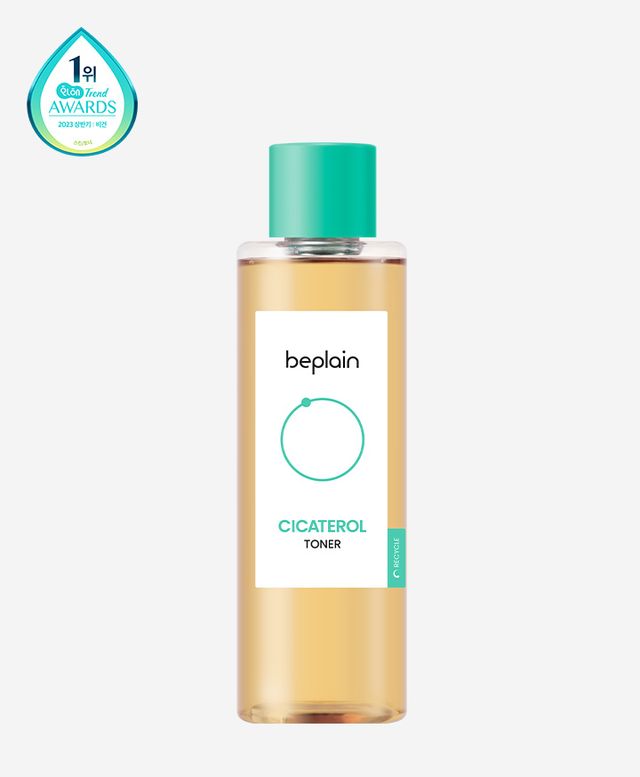
beplain
Cicaterol Toner
Key Centella Asiatica Extract 2%, Beta-Sitosterol
1 claim checked
Claims, checked
Take an appropriate amount into your hands, pat and apply, and let it absorb.
backed by evidence
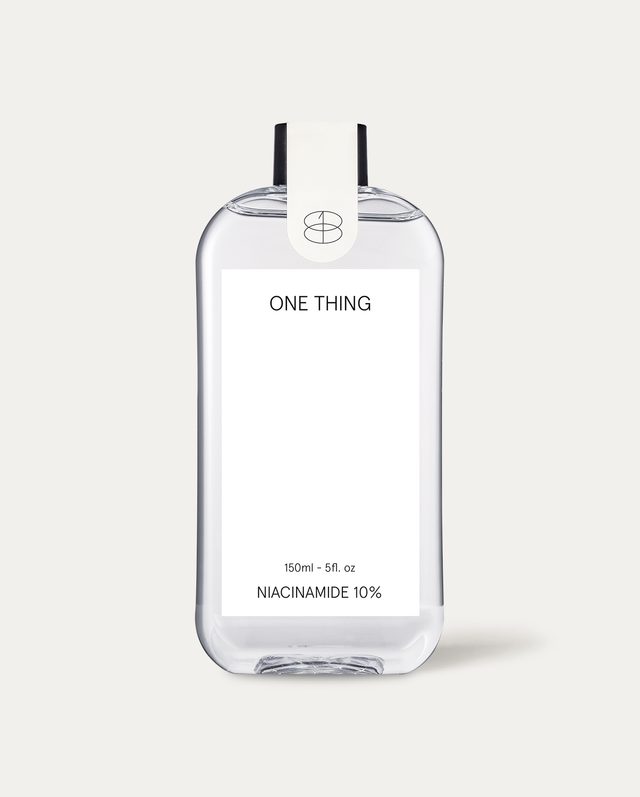
ONE THING
Niacinamide 10% Toner
Key Niacinamide 10%
2 claims, summarized
- Don't count on:
- a brighter skin tone
See each claim
Claims, checked
However, because it is highly concentrated, please add a small amount (up to 10%) to the skin or cream you are using, and if it feels fine, gradually increase it.
plausible, not testedThe answer for dark and dull skin!
overstated
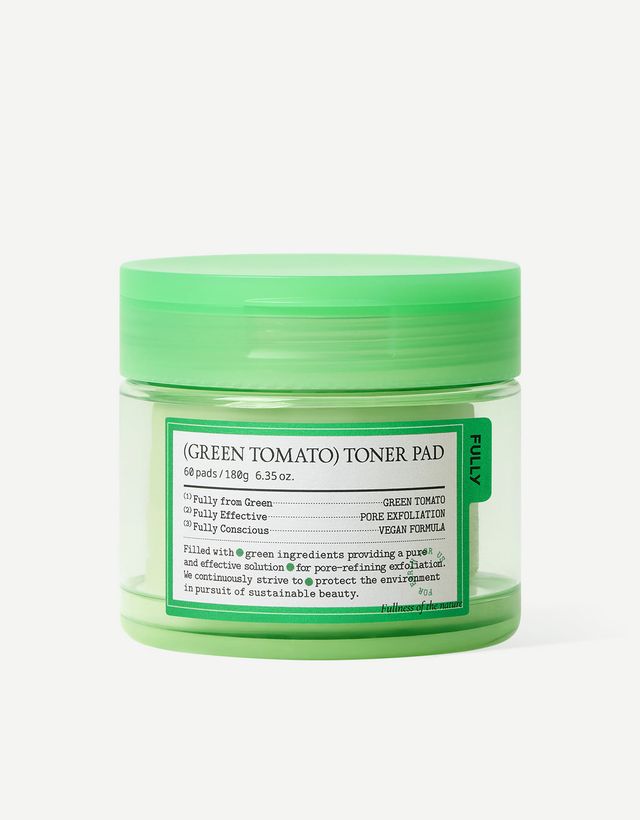
FULLY
Green Tomato Toner
Key Solanum Lycopersicum (Tomato) Fruit Extract 95%
5 claims, summarized
- Don't count on:
- less visible pores · firmer skin · less visible dark spots · softer-looking fine lines
- Free of:
- the ingredients it lists
See each claim
Claims, checked
1) Moisture supply as a toner dispensed into the hand and absorbed into the skin - 2) Pore purification as a toner soaked into a cotton pad and wiped along the grain of the skin 3) A toner exclusively for hypersensitive skin so sore that even wiping hurts, decanted into an empty bottle and used as a mist 4) Use by blending into the cream or lotion you already use
plausible, not testedPore tightening with 95% green tomato extract and vit c, skin soothing and hydrating, fragrance free, vegan
partly backed'Tomatidine' suppresses the protein that causes muscle aging, and as a result it prevents skin aging and aids collagen synthesis around the pores, helping to lift sagging pores
overstatedSkin elasticity and vertical pore improvement effect of the green tomato 'tomatidine' component
no supporting source foundWhitening / wrinkle improvement
contradicted by sources
It's made for better barrier support and better hydration.
Key Panthenol 30%, Pantolactone, Scutellaria Baicalensis Root Extract
4 claims, summarized
- Only partly backed:
- better hydration · better barrier support
See each claim
Claims, checked
- Helps with barrier management, moisturization
plausible, not tested- An ingredient for skin whose barrier has weakened and become sensitive for various reasons
plausible, not testedUK-origin pro vitamin B5 D-panthenol
partly backed- Problematic skin, weakened skin
partly backed