Korean skincare for rosacea and redness: what it can do
Skincare can't treat rosacea. It can cut irritation and help skin redden less. What 164 Korean redness ad lines showed, and what to check on the label.
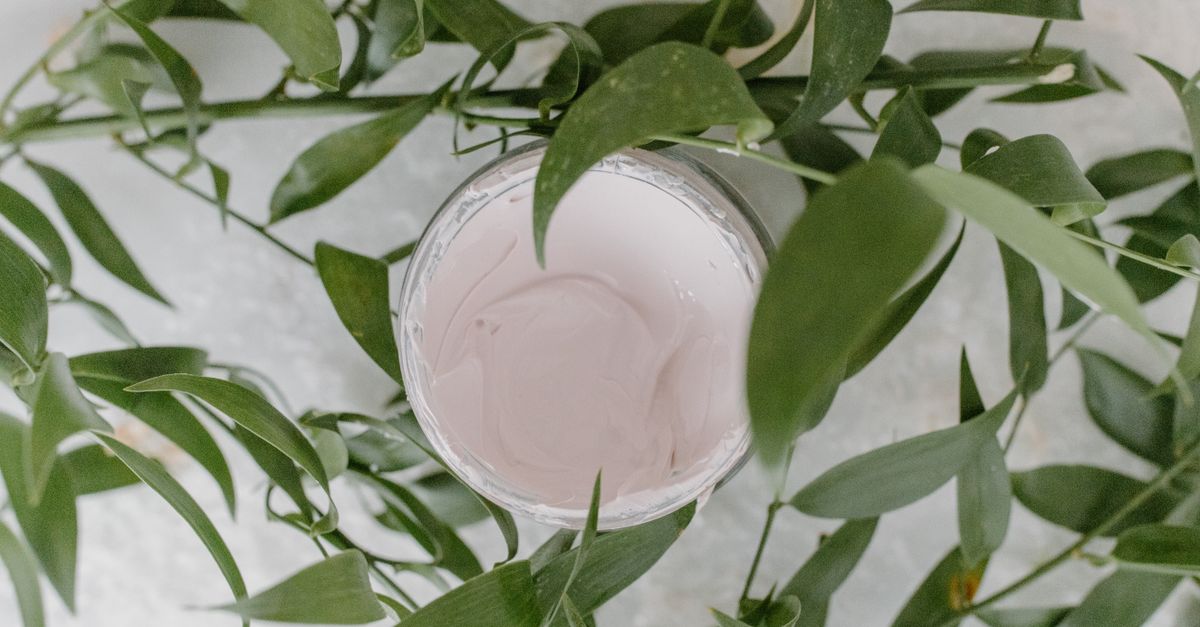
Korean skincare can't treat rosacea. What it can do is cause less irritation and support your skin barrier so your face reddens less easily. Of 164 Korean ad lines that talked about redness or flushing, 5 were backed by evidence.
Is redness the same thing as rosacea?
Not quite. Redness, or flushing, is the broad word for a face that turns red easily. Rosacea is a diagnosis a dermatologist makes. It can look like cheeks and nose that stay red, small visible blood vessels, or acne-like bumps that come with the redness.
So this post isn't about treating rosacea. It's about what to avoid and what to check when you pick skincare for skin that reddens easily. The ads seem to know where that line is. Among the lines we checked, the only ones naming rosacea were two lines carrying a product range's name.
What can skincare actually do?
Three things.
- Irritate less. Fragrance, essential oils, gritty scrubs and acid exfoliants can bother reactive skin. Bring in one new product at a time.
- Support the barrier. The skin barrier is the outermost layer's job of holding water in and keeping irritants out. A plain moisturizer with ceramides or panthenol helps it do that.
- Wear sunscreen daily. If sunscreen stings, we covered how to choose one in Korean sunscreen for sensitive skin.
One study worth knowing. In a 2004 paper (Bissett and colleagues), women put a 5% niacinamide cream on one half of the face for 12 weeks, and that half showed less red blotchiness. The 50 women had sun-aged skin, not rosacea, and the authors worked for the maker, Procter & Gamble.
How far can you trust redness claims on Korean labels?
Mostly, they're only partly backed or nothing we collected confirms them. As of September 29, 2026, we had checked the ad lines of 2,067 Korean products, 15,644 lines in all. Of those, 164 lines (from 113 products) talked about redness, flushing or blotchy skin.
| Check result | Redness lines | Share |
|---|---|---|
| Backed by evidence | 5 | 3.0% |
| Likely, not proven | 20 | 12.2% |
| Partly backed | 76 | 46.3% |
| Overstated ad line | 24 | 14.6% |
| No source confirms it | 36 | 22.0% |
| Sources disagree | 0 | 0% |
| Says nothing | 3 | 1.8% |
Across every ad line we checked, 12.5% were backed by evidence. Redness lines come in at about a quarter of that.
Even the 5 backed lines are narrow. Four of them say the result was measured on skin reddened for a short time by heat or an outside irritant. That's a test where skin is warmed or irritated on purpose and then timed as it settles. It says little about skin that reddens easily and stays red. It's also why 28 of the lines carry the word "temporary."
A sunscreen line promising to calm inner redness in four weeks came back as no source confirms it. The test chart on its page printed the exact same numbers for four weeks of use and for a single use, so those numbers can't confirm a four-week effect.
What about tone-up creams and cooling products?
Neither one reduces redness. They do something else.
Tone-up and color-correcting creams cover it. 17 lines promised to hide red tones with green, lavender or ivory tints. None of the 17 were backed by evidence; most were likely but not proven, or partly backed. The tint does cover, but it washes off. Treat it like makeup.
Cooling products take the heat out. Another 198 lines talked about heat, hot flushes or skin temperature, and 51 of them gave a drop in skin temperature in degrees. 9 of the 198 (4.5%) were backed by evidence. A cooler face feels good for a while. A lower skin temperature isn't the same as less redness.
What should you look for on the ingredient list?
Fragrance and essential oils first. We read the ingredient lists of the 107 redness-claim products where we had one.
- Fragrance listed: 13
- No fragrance, but essential oils: 31
- Neither fragrance nor essential oils: 60 (56.1%)
- Can't tell from the list: 3
Across all 1,991 products with an ingredient list, 49.1% had neither. So products sold for redness are only slightly more likely to skip both. They aren't built gentler as a rule. The essential oils that came up most in this group were patchouli and rosemary, in 8 products each, followed by chamomile, mugwort and sage. How a product can say "fragrance-free" and still carry essential oils is covered in fragrance-free vs essential oils.
Scented products aren't bad for everyone. But if your skin reddens easily, starting with products that have neither fragrance nor essential oils takes one variable out of the picture. Building a routine by taking things out is covered in the sensitive skin routine.
When should you see a dermatologist?
Don't try to manage these with skincare. See a dermatologist when:
- the redness hasn't settled after a few weeks
- acne-like bumps come with it
- your eyes feel gritty or uncomfortable too
- burning or stinging gets in the way of your day
Dermatologists have treatments for rosacea. Skincare sits next to that, keeping irritation down.
Common questions
Will a calming cream make the redness go away?
Settling for a while and going away aren't the same. Even among the backed redness lines, 4 of 5 were measured on skin that had been reddened briefly. If your skin flares up as the seasons change, what to cut first walks through it.
Is anything with centella or niacinamide fine?
An ingredient being on the list and that product being shown to work are two separate things. How to check the order and the percentage on the list is in niacinamide basics.
Which cream suits dry skin that also reddens?
We picked creams by their ingredient lists in Korean creams for dry, sensitive skin.
If you're not sure whether something you use has fragrance or essential oils in it, send us a photo of the label or the product name. We'll read the ingredient list for you.