Mineral, chemical, and how to pick a sunscreen you will actually reapply
How the two filter types differ, what SPF and PA measure, how much to use, and why the sunscreen you reapply beats the one you skip.
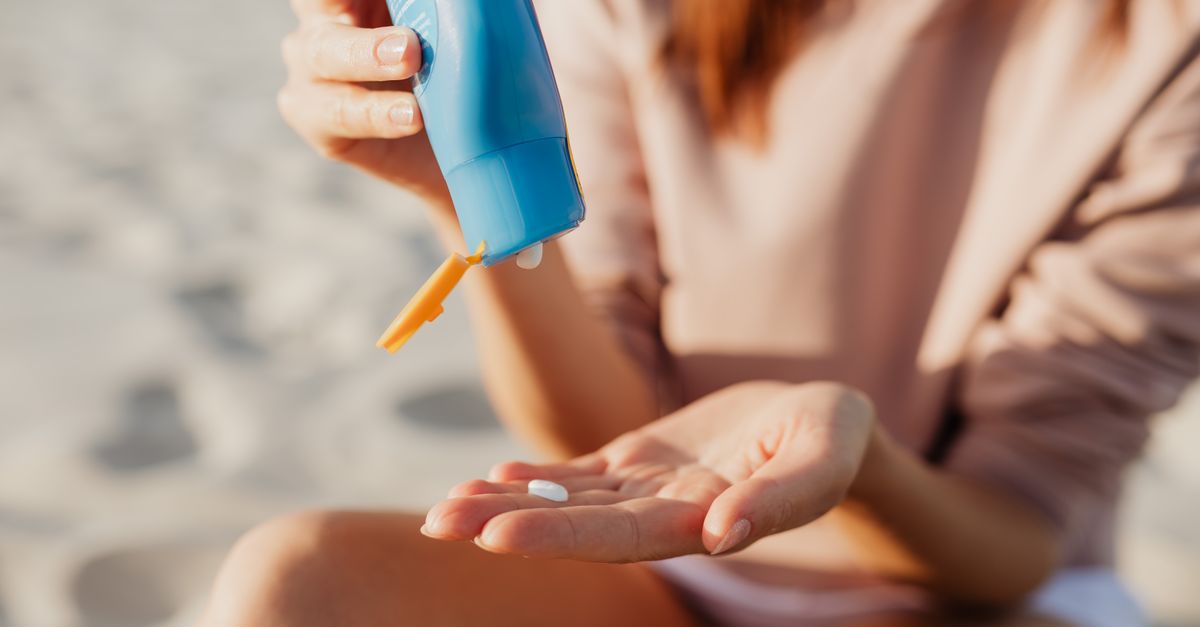
Mineral filters sit on the surface and bounce most of the ultraviolet away. Chemical filters absorb it and release it as heat. Both are approved, both work, and neither is meaningfully safer than the other at the doses in a face sunscreen.
What separates them is how they feel, and that decides whether the bottle gets used on a Tuesday in November.
Below: what the two filter types actually do, how to read SPF and PA, how much to apply, how often to go back over it, and how to find the filters on a Korean ingredient list.
The two filter types
The split is about where the ultraviolet gets handled. Mineral filters stay where you put them. Chemical filters take the energy in and convert it.
| Mineral | Chemical | |
|---|---|---|
| Common filters | zinc oxide, titanium dioxide | ethylhexyl triazone and other long names |
| White cast | possible | almost none |
| Texture | thicker, sits on top | thinner, spreads easily |
| Eye stinging | less common | more common |
A third category does both. Hybrid formulas pair zinc oxide with organic filters to cut the cast while keeping the coverage broad, and a good share of Korean sunscreens land here, which is part of why the two camps people argue about online turn out to be much harder to separate on an actual shelf.
Check your current bottle before picking sides. Most people arguing about mineral versus chemical are already using a hybrid, and the label rarely announces it, so the filter names near the top of the ingredient list are the only reliable way to tell.
What do SPF and PA actually measure?
They measure different things. SPF describes protection from UVB, the wavelengths behind sunburn, and PA describes protection from UVA, which penetrates deeper and passes through window glass.
A high SPF with a low PA rating leaves half the job undone.
For something you wear daily, SPF 50+ with PA++++ is the straightforward choice. There's no meaningful reason to go looking for less.
The number is not a timer.
You'll find a formula online that multiplies your SPF by fifteen minutes to give you hours of protection. It doesn't work that way. SPF is measured at a fixed application thickness in a lab, and what runs the clock down in real life is the sunscreen physically leaving your face through sweat, friction and touching.
How much sunscreen is enough?
The testing standard is two milligrams per square centimeter of skin.
For a face, that's roughly the length of your index and middle fingers, squeezed out and spread. Almost nobody applies that much. Since the number on the bottle was earned at that thickness, applying half of it means you're getting substantially less than the label promises, which is the single largest gap between sunscreen on paper and sunscreen on skin.
If a thick layer feels unbearable, put on two thin ones a few minutes apart.
Two passes at a texture you tolerate will land closer to the tested thickness than one grudging pass at a texture you don't. The second pass also catches the hairline and the jaw, which a single layer almost always misses.
How often do you need to reapply?
Every two to three hours outdoors, and after swimming or heavy sweating.
Indoors and away from a window, a careful morning application is a reasonable place to stop. The two hour rule was written for people standing in sunlight, and following it at a desk on a rainy Tuesday mostly wastes product without buying you any additional protection.
You don't need to wash your face first. Over makeup a stick or a cushion is the practical answer, and the layers underneath decide whether it goes on cleanly.
Go straight over the top of what's there. Over makeup, a stick or a cushion is the practical answer, and it's worth saying plainly that an imperfect reapplication beats a skipped one. The most common failure isn't using the wrong filter type. It's owning a sunscreen that feels bad enough that you stop putting it on.
Which type suits oily or sensitive skin?
Oily skin usually does better with chemical or hybrid formulas, because they're built thinner and Korean brands have pushed those textures toward watery serums and fluids. Mineral filters need more emollient to spread, which tends to read as heavy on skin that's already producing oil.
Sensitive skin is where the usual advice gets lazy.
Mineral filters get recommended by default because they don't sting eyes as readily. That's real, but the ingredient most likely to irritate a sensitive face is rarely the filter. It's fragrance, essential oil, or a botanical extract sitting further down the list, and those show up in mineral and chemical formulas alike.
Read past the filter before you decide. A zinc-only sunscreen with six aromatic oils in it is not automatically the gentle option.
Reading the filter list
Three real products make this concrete. Finding the list is its own problem, and where the rating actually lives turned out to be the harder half of this category.
ATOPALM Zinc Mild Up Sun Cream SPF50+ PA++++ carries a single filter, zinc oxide, printed on the list at 192,000ppm. That's an unusually specific disclosure and it makes the product easy to categorize.
The same list also carries chamomile flower oil, corn mint oil and several other aromatic oils, so the brand's emphasis on gentleness is worth weighing against your own history with fragrance rather than read as a blanket promise.
Goodal Clear Houttuynia Soothing Moisture Sun Cream sits at the other end.
There's no zinc oxide or titanium dioxide anywhere on it. Four organic filters, ethylhexyl triazone among them, do the work, and with no mineral particles present a white cast isn't structurally possible.
S.NATURE Aqua 365 UV Sun Cream is also filter-only chemical, with niacinamide sitting high on the list alongside them. That's a sunscreen doing a second job, which helps if you're trying to shorten a routine. It doesn't make the sun protection stronger. The filters handle that on their own.
All three describe their filters accurately. What tends not to survive checking is the adjective next to the filter rather than the filter itself.
When to see a dermatologist
If the same patch of skin reddens and roughens every time you apply sunscreen, swapping brands is a slow way to learn very little. Patch testing identifies the specific ingredient, which is worth doing once rather than working through six bottles by trial and error over a year.
Hives or blistering after brief sun exposure is a different problem. That one belongs in a clinic rather than in a routine adjustment.
Choosing between the two filter types matters far less than owning something you'll put on every morning. Tell us how your current one behaves by lunchtime and we can narrow the texture down with you.
Products mentioned
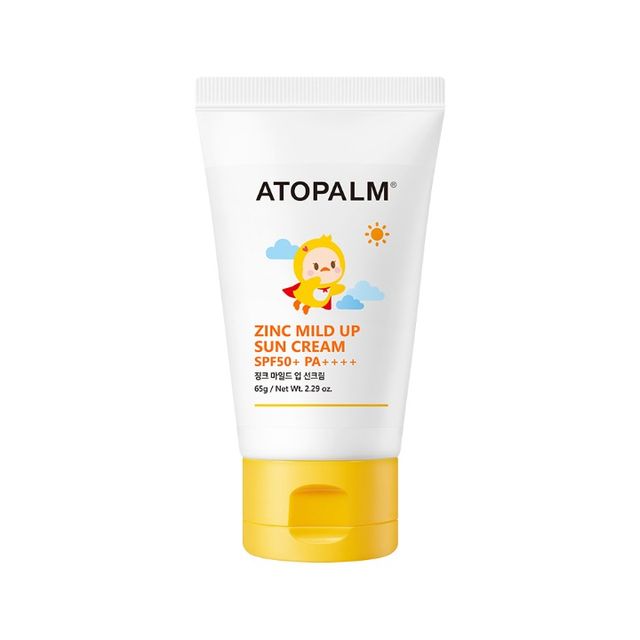
It's made for better barrier support and calmer skin.
Key: Zinc Oxide, Panthenol, Allantoin
9 claims, summarized
- Only partly backed:
- better barrier support · calmer skin (amount unknown)
See each claim
claims, checked
Gentle, reassuring protection with 100% zinc oxide
backed by evidenceSkin barrier recovery effect added! A mineral daily sunscreen you can trust, for sensitive skin
plausible, not testedA NON-NANO mineral sunscreen for delicate skin
plausible, not testedA skin barrier improvement effect confirmed by a human application study
plausible, not testedIrritation test on sensitive skin completed
plausible, not testedMINERAL UV BLOCKING INGREDIENTS used in this sunscreen diffuse and reflect UV rays by forming a physical barrier to reduce the burden on the skin
plausible, not testedSoothes and clams sensitive skin: Contains Allantoin and Houttuynia Cordata extract which are effective to soothe the sensitive skin due to ultraviolet heat.
plausible, not testedZinc Physical sunscreen with minimal of white cast that safely protects delicate skin.
overstatedAtopalm sunscreen is made of 100% Minerals and is safe to use from 6 months and above.
no supporting source found
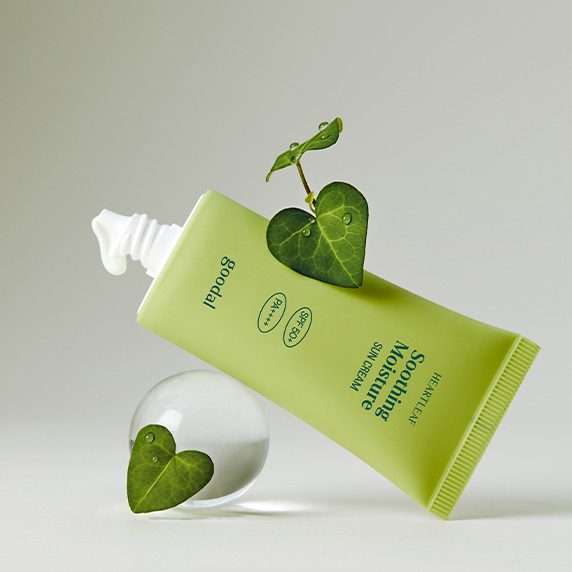
Key: Diethylamino Hydroxybenzoyl Hexyl Benzoate, Ethylhexyl Triazone, Methylene Bis-Benzotriazolyl Tetramethylbutylphenol
4 claims checked
claims, checked
SPF50+ / PA++++
backed by evidenceReef safe
backed by evidenceMineral sunscreen
no supporting source foundSkin type: sensitive
no supporting source found
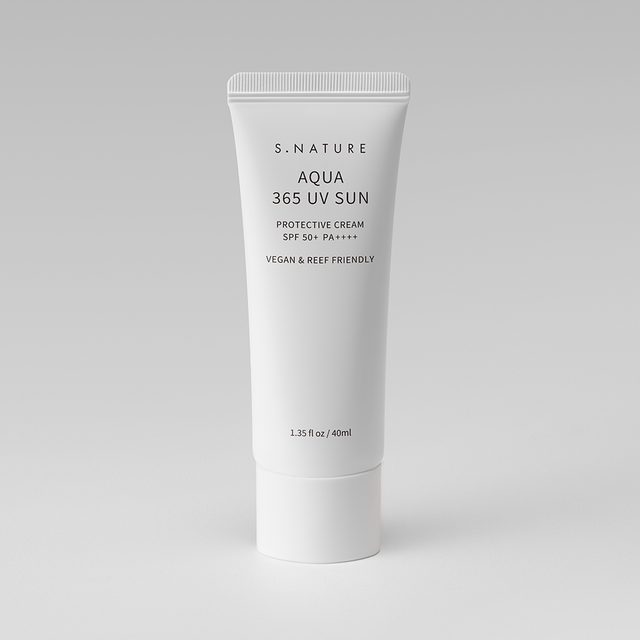
S.NATURE
Aqua 365 UV Sun Cream
3 claims checked
claims, checked
A vegan sunscreen with powerful SPF50+, PA++++ UV protection, a sunscreen released after five years of research and development by S.NATURE.
plausible, not testedWith no oiliness, stickiness or shine, it helps with skincare before makeup.
plausible, not testedLight and non-sticky texture hydrates skin all day. Hypoallergenic ingredients suitable for sensitive and acne-prone skin.
plausible, not tested