Essence, serum, ampoule: is there any difference?
When this was written we compared 106 Korean products across the three names. The medians sat within ten ingredients, and ampoules disclosed least often.
Short answer: there is no formula boundary between the three. The names describe where a brand wants the product to sit in your routine and in your budget, not what is in the bottle.
The folk hierarchy says essence is the lightest, serum is stronger, and ampoule is the concentrated one. We went looking for that pattern and it is not there. If anything the data leans the other way.
Here is what we found, at the time of writing, across 106 Korean products carrying one of the three names, all of them the same kind of leave-on step.
| Name | Products | Print a concentration | Median ingredient count |
|---|---|---|---|
| Essence | 12 | 50 percent | 33.5 |
| Serum | 57 | 67 percent | 40 |
| Ampoule | 37 | 43 percent | 43 |
The table reflects the 106 products read at the time of writing.
The three medians sit within about ten ingredients of each other. And on disclosure, the order runs serum, then essence, then ampoule. The name that is supposed to mean concentrated is the one least likely to tell you any concentration at all, and its lists run longest rather than shortest.
Why is there no rule?
Because none of the three words is defined by anything.
There is no regulatory category for essence, serum or ampoule. Korean labelling has no such classifications, and neither does anywhere else. A brand can call a product whatever it likes, and the only things on the label that have to be true are the ingredient list and any figure printed inside it.
Ampoule in particular has drifted a long way from its origin. The word comes from the sealed glass vial used for single doses in a clinical setting. On a Korean shelf it now names a product class rather than a vessel, and the products carrying it are usually in ordinary pump bottles with ordinary volumes.
The clearest proof that the words are interchangeable is that one product in our set is called a serum in ampoule, which is either both or neither.
LBB: one brand, all three names
The single most useful comparison available, because everything except the name is held constant.
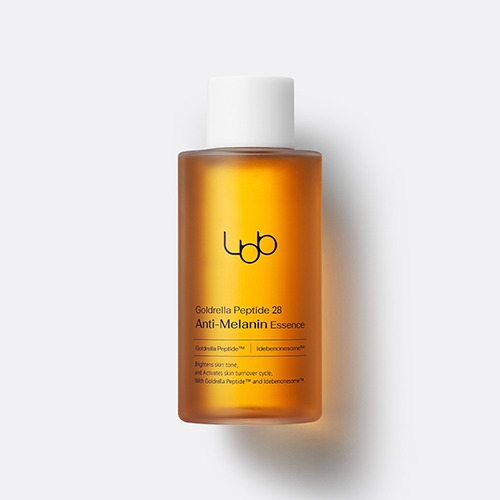
Goldrella Peptide 28 Anti Melanin Essence has 31 ingredients and prints one figure: a chlorella ferment at 250 parts per million.
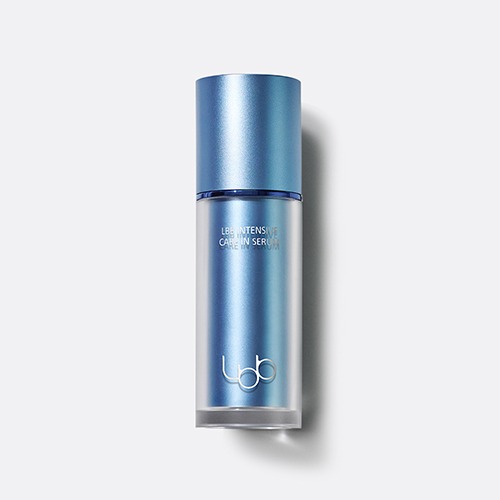
Intensive Care In Serum has 39 ingredients and prints nothing.
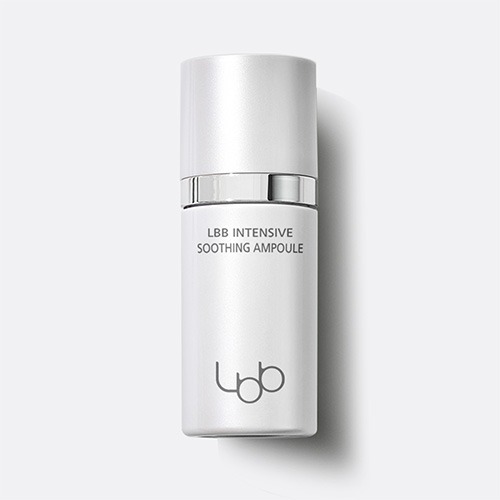
Intensive Soothing Ampoule has 43 ingredients and prints nothing.
Read that in the direction the hierarchy predicts and it comes out backwards. The essence is the shortest list and the only one of the three that publishes a number. The ampoule is the longest and the most opaque.
We are not saying the ampoule is worse. We are saying the name told you nothing, and within one brand's own line the ordering people expect is reversed.
sidmool: a 16 ingredient essence and a 7 ingredient ampoule
The pair that breaks the hierarchy in the other direction, which is why it matters.
Dr.Troub Skin Returning BHA essence has 16 entries and discloses salicylic acid at 0.5 percent. Sixteen entries is very short for a leave-on, and the brand also states a pH in the 4 range, which is the property a salicylic acid buyer most needs and which almost nobody publishes.
SKINSOURCE D-PANTHENOL AMPOULE has 7 entries and discloses panthenol at 30 percent.
Thirty percent is the highest single active concentration in this entire article, and it is on the shortest list, in a product called an ampoule. So here the ampoule really is the concentrated one.
Hold those two facts together, because this is the actual conclusion. The name did not predict the outcome in the LBB line and it did not predict it here either. It happened to land one way at one brand and the other way at another. That is what having no definition looks like from the outside.
If you want a product that is genuinely concentrated and genuinely simple, the way to find it is the ingredient count and the printed figure, both of which are on the label, and neither of which is the word on the front.
Disclosed: panthenol at 30 percent, on a 7 entry list Fragrance-free: not established
numbuzin No.9 NAD Bio Lifting Concentrate Essence
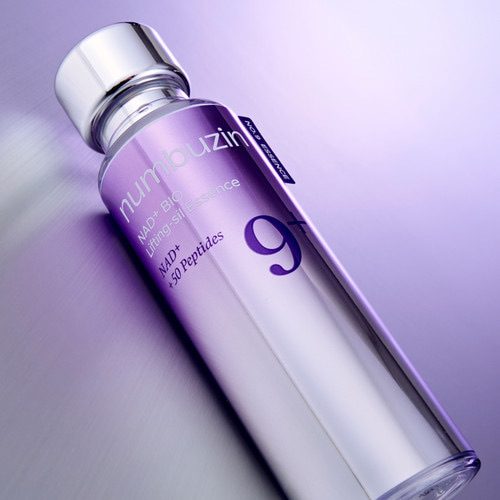
The product that ends the argument, because its name says concentrate and its list has 120 entries.
That is the longest ingredient list of any essence in the table above, and one of the longer lists in everything we have read. It does print three figures, which is more than most: an adenosine triphosphate at 50 parts per million, a nicotinamide adenine dinucleotide at 50 parts per million, and a resveratrol at 4 parts per million.
Those figures are worth reading carefully rather than dismissing. Fifty parts per million is 0.005 percent. The product is named for the NAD and the NAD is disclosed at that level, which is a real disclosure and a small number at the same time.
A 120 ingredient concentrate is a contradiction in ordinary language and a completely normal product in this category. Nothing prevents it, because concentrate is not a defined term either.
Worth noting separately: the adenosine triphosphate here is the only adenosine family figure we have found printed on any Korean label, and it is a different molecule from the adenosine that carries wrinkle registrations. We went through that in what adenosine actually does.
Disclosed: three figures, the largest at 50 parts per million Fragrance-free: not established
So how should you actually choose?
Ignore the word and read the list. Two things on the label carry real information: how many ingredients there are, and whether any of them has a figure beside it. Neither correlates with the name in the data above.
Use texture to decide the order, not the name. Thinner goes before thicker. That is the only sequencing rule that survives, and it works whatever the bottle is called. We set the whole sequence out in what order to apply skincare.
Do not pay a premium for the word ampoule. In the table above it was the name least likely to disclose a concentration, so it was the name you could verify least. That is the opposite of what the price positioning implies.
Be a little sceptical of essence as a synonym for gentle too. The 12 essences here run from 1 to 120 ingredients and half print no figure.
And if a brand does publish a number, that brand has told you more than the entire naming convention ever will. A 30 percent panthenol on a 7 item list is a fact. An ampoule is a marketing word.
Common questions
Is an ampoule stronger than a serum?
Not as a rule. In the table above ampoules disclosed a concentration less often than serums did and their ingredient lists ran slightly longer. Individual ampoules can certainly be strong, and one on this page is the strongest thing here, but the word did not predict it.
What is an essence supposed to do?
Historically it described a watery hydrating step after toner, and some essences still are that. Even in the table above the name spans everything from a 1 entry formula to a 120 entry one, so it no longer tells you the texture either.
Do I need all three in a routine?
No. They occupy the same slot: leave-on steps between toner and moisturizer. Use as many as your skin and patience allow, in order of thickness, and understand that you are buying three products in one category rather than three different categories.
Why do ampoules cost more?
Positioning. The word borrows authority from clinical single dose vials, and the products are often sold in smaller volumes, which raises the price per millilitre. Nothing about the format requires a higher concentration.
What about a booster, a concentrate, or a shot?
Same situation. None of them is defined, and one product in this article is a concentrate with 120 ingredients. Read the list.
If you have two products and cannot work out which is actually the stronger one, send us both listings and we will compare the lists.
Products mentioned
Key Niacinamide, Chlorella Ferment, Adenosine
1 claim checked
Claims, checked
Goldrella Peptide 28 Anti-Melanin Essence
overstated
It's made for firmer skin.
Key Citrus Tangerina (Tangerine) Water, Niacinamide, Adenosine
2 claims, summarized
- Only partly backed:
- firmer skin
See each claim
Claims, checked
LBB's proprietary ingredient Tangerine Prime Cellular Water™ and Rejuvenating Active Complex, low-molecular plant protein ingredients help make skin elastic and moist, antioxidant care serum.
partly backedIntensive Care In Serum
nothing specific to check
Key Citrus Tangerina Fruit Water, Niacinamide, Panthenol
5 claims, summarized
- Don't count on:
- better hydration · calmer skin
See each claim
Claims, checked
Moisture that wells up from within the skin as you spray
plausible, not testedLBB's proprietary ingredient Tangerine Prime Cellular Water™
partly backedRaspberry stem cell culture ingredient helps with skin moisturizing and soothing,
no supporting source foundThe prebiotics ingredient of red ginseng forms a Protecting coat to protect the skin from external factors,
no supporting source found[W Concept Overall #1]
no supporting source found
It's made for better barrier support and better hydration.
Key Panthenol 30%, Pantolactone, Scutellaria Baicalensis Root Extract
4 claims, summarized
- Only partly backed:
- better hydration · better barrier support
See each claim
Claims, checked
- Helps with barrier management, moisturization
plausible, not tested- An ingredient for skin whose barrier has weakened and become sensitive for various reasons
plausible, not testedUK-origin pro vitamin B5 D-panthenol
partly backed- Problematic skin, weakened skin
partly backed
Key Nicotinamide Adenine Dinucleotide, Adenosine Triphosphate, Resveratrol
2 claims checked
Claims, checked
No. 9 NAD (NAD)
backed by evidenceBio Lifting
plausible, not tested