Certified, patented, hypoallergenic: three words that point at a document
Certified, patented, hypoallergenic. Each word points at a document, and five products show what changes when that document is not named.
Certified. Patented. Clinically completed. Hypoallergenic. Every one of those words is a pointer, and what it points at is a document.
A document has parts. Somebody issued it, it carries a number, it was dated, and it was granted against a standard. When a page prints the word and none of the parts, the word is carrying the sentence by itself. That is worth noticing, and it is worth being precise about what it means: a credential you cannot look up is not the same as a credential that does not exist. The first is a fact about your access. The second is a fact about the brand, and almost none of the pages below justify the second reading.
So this is not a list of brands to distrust. It is five shapes of credential word, with the product where each one turned up, and the one word on this page that has no standard behind it anywhere.
One: a mandatory filing described as a testing institute
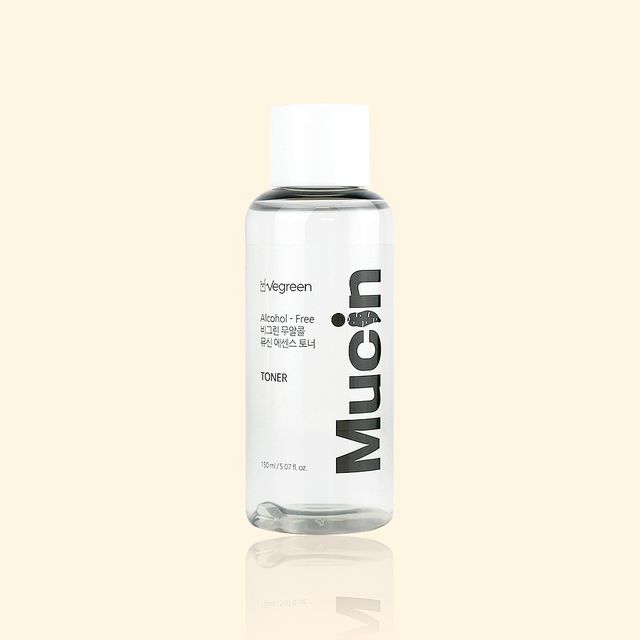
Where we found it: Vegreen Alcohol-Free Mucin Essence Toner
The brand's page prints a CPNP certification, and glosses it in parentheses as an official European stability-testing institution.
Grant the fact underneath, because it is a real one. The Cosmetic Products Notification Portal is a genuine EU system, and notifying a product through it is a mandatory prerequisite for placing that product on the EU market. A CPNP notification is a meaningful compliance step and a checkable one. It is not an invented credential, and the brand is not reaching for something it does not have.
The parenthesis is where it goes wrong. CPNP is a notification and traceability database. It does not run stability tests, and it does not certify safety outcomes on a product's behalf. Official stability-testing institution describes a function the portal does not perform. Real step, wrong description of what the step does.
The toner itself is a straightforward one to like. No parfum, fragrance or named essential oil appears at any of the sixteen positions on its list, panthenol sits fourth, and the wild yam root extract carries a printed 7,395 ppm, which is more than most brands in the category will tell you.
The tell: a parenthesis that explains an acronym. The acronym is usually accurate. The explanation is the part written by marketing.
Two: a patent with no number and no subject
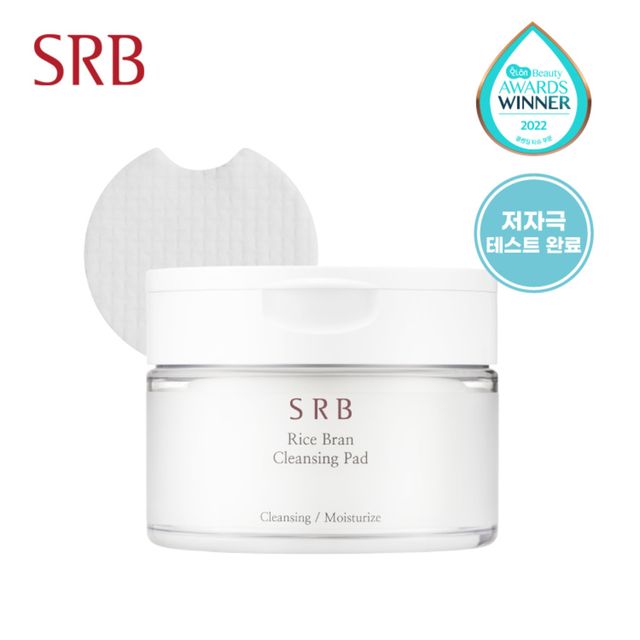
Where we found it: SRB Rice Water Rice Bran Cleansing Pad
The brand states that it holds patents on the manufacture of rice water and rice bran materials, and it describes the mechanism those patents address: milling ruptures the bran, the bran's own lipase starts hydrolysing its oil into free fatty acids, and untreated bran turns rancid within days, which is why heat stabilisation before use is standard practice. That mechanism is real and well described in cereal chemistry. It is also a statement about the company rather than a promise about your skin, which is the fairest thing on the page.
Two things are missing. The brand's page carries no patent number, no jurisdiction, no filing or registration date and no assignee name, so there is no register entry to reach. Nothing here contradicts the claim, and nothing anchors it either.
The second gap is the more useful one for a shopper. The patent sentence advertises a rice bran extract powder, a rice bran fibre and a rice bran dextrin. None of those three names appears on this pad's printed fifteen-entry list, which carries rice extract at 1,000ppm and rice bran extract at 100ppm. A manufacturing capability can be entirely genuine and still not describe what is in the thing you are holding.
For what it is worth, the pad is very mild, and mildness is what its buyers register: no irritation is the leading theme across consumer reviews, 925 of them (as of 2026-08-27), at 402 mentions.
The tell: read the noun in the patent sentence, then look for that same noun on the ingredient list.
Three: a word with no definition behind it
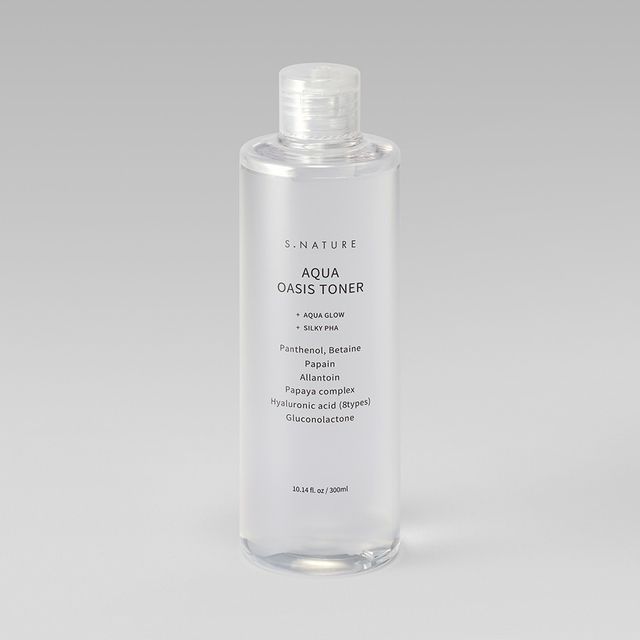
Where we found it: S.NATURE Aqua Oasis Toner
This is the one that changes how a whole shelf reads.
Hypoallergenic has no regulatory definition and no required test in Korea, the United States or the European Union. There is no threshold a formula must clear, no protocol it must pass, and no body that has to sign anything before the word goes on the box. A brand that ran a full repeat insult patch panel and a brand that ran nothing at all are permitted the same word.
Which means there is no document to ask for here, and no standard to check the word against. What is left is the list, so read that instead.
On the list, this toner earns a good part of the impression. No fragrance or parfum, no essential oil, no denatured alcohol and no common sensitising botanical appears at any of its twenty-five positions, and panthenol, allantoin and betaine all sit inside the top eight. Those are structural facts a reactive shopper can confirm without trusting anyone, and they are worth more than the word printed above them.
Then keep reading. Gluconolactone sits at position ten and papain at position sixteen: an acid and a protease, running two exfoliating routes at once, at strengths the brand does not publish. No patch test, no repeat insult protocol, no panel size, no testing body and no report is named anywhere the claim appears. An exfoliating pair at undisclosed strength is not the profile that word conventionally suggests, and nothing on offer lets reactive skin size the question before buying. The patented complex on the same page has a related problem: the figures behind that trademark come from supplier testing at 3 percent on the raw material, and this product discloses no use level, so a patent on an ingredient says nothing about how much of it reached this bottle.
The tell: hypoallergenic is a description of intent, not a report of a result. Treat it as the brand telling you what it aimed for.
Four: consistent with the list, audited by nobody named
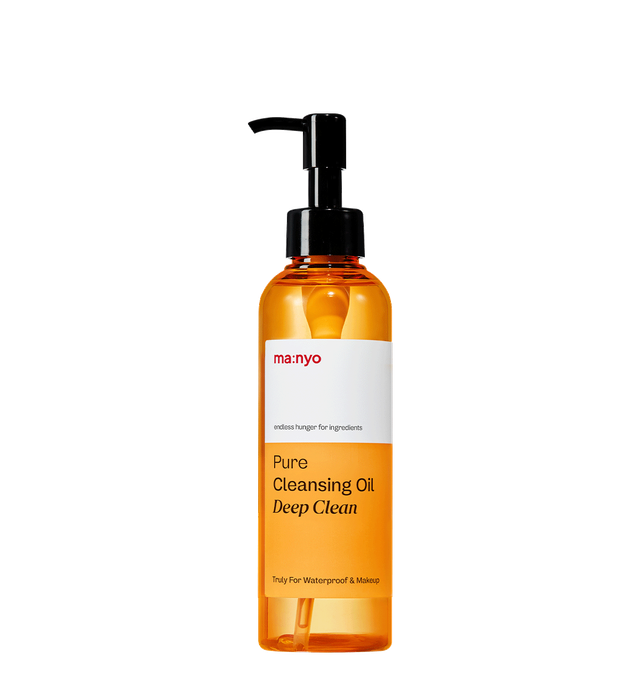
Where we found it: Ma:nyo Pure Cleansing Oil Deep Clean
The bottle calls itself a vegan deep cleansing oil, and the printed full ingredient list is consistent with that. No beeswax, no lanolin, no collagen, no carmine, no animal-derived glycerin declaration appears on it. Nothing on the label contradicts the claim.
What is absent is the other half. The brand prints no certification mark, no certifying body name and no registration number beside the claim. That gap matters more than it first sounds, because a vegan claim covers things an ingredient list structurally cannot show: which manufacturing route each ingredient came by, when both animal and non-animal routes exist, and what the testing policy is. Ingredient-list consistency is corroboration. A named third-party audit is confirmation. They are different things, and only the first is available here.
Worth adding, since a credential only ever covers its own axis: vegan says nothing about fragrance, and this label carries bergamot oil and lavender oil along with their markers limonene and linalool. A fragrance-free routine is a separate question from a vegan one, and this oil answers only the second. The most reliable sentence on the page is its own usage instruction: massage into dry skin, add water until the oil turns milky, rinse warm.
The tell: ask which axis the word covers, then notice it covers only that one.
Five: three specifics, none of them sized
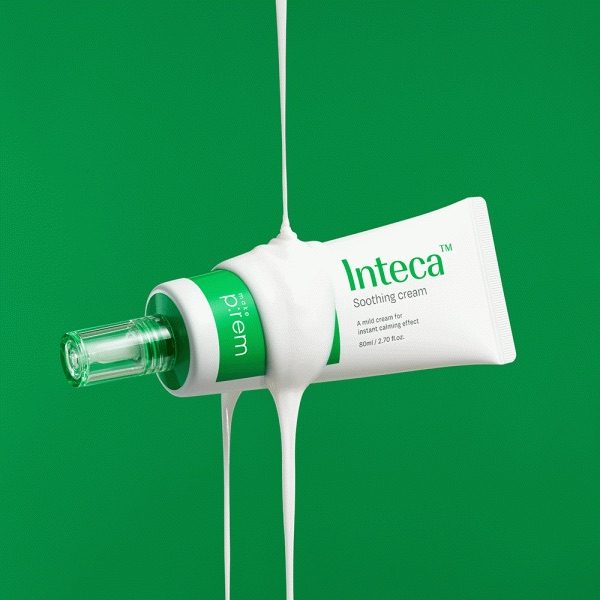
Where we found it: make p:rem Inteca Soothing Cream
The copy says the centella fraction the brand calls Inteca is stabilised by a patented process, held at nano size, and loaded at 10,000ppm to maximise skin absorption.
Grant the ingredient first, because it is genuinely there. TECA is a recognised standardised centella fraction, and its three triterpenes, asiaticoside, asiatic acid and madecassic acid, sit at positions seventeen through nineteen of thirty on this label. Centella triterpenes carry real anti-inflammatory literature behind a soothing claim, and soothing is what buyers report: roughly a third of consumer reviews, 6,957 of them (as of 2026-08-27), mention it.
Three specifics sit on top of that real ingredient, and each one names a document. No patent number or process description accompanies the patented process. No particle-size data accompanies nano size. No permeation study accompanies maximises skin absorption. The concentration itself reaches readers through a third-party clinic-run content site rather than from the brand, which publishes the figure neither on its own pages nor on the label.
Now the useful contrast, on the same tube. The mandatory product-information panel records a Korean functional cosmetic registration for brightening and wrinkle improvement, and that one holds up: niacinamide at position eight and adenosine at position twenty-eight are both recognised functional actives, so the registration is backed by the ingredient list itself. One credential here can be followed to its source and three cannot, and they are printed in the same typeface. Registration means a submission cleared review. It does not tell you effect size, and it is still a checkable fact rather than an adjective.
The tell: technical precision without a unit of evidence. Nano, patented, maximised. Each sounds measured and none of them is.
How to check a credential word in about a minute
Ask for three parts. An issuer, a number, a date. Two of the three are usually enough to reach a register. If none of the three is printed, you have learned that you cannot check it, which is a smaller conclusion than it feels like and the correct one to stop at.
Separate a filing from a finding. Notifications, registrations and market-access filings say a submission was made and accepted. Tests say something was measured. The two get printed in the same tone of voice and they answer different questions.
Read the patent sentence's noun against the ingredient list's nouns. Process patents usually belong to a raw material, and the material named in the sentence is frequently not the material on the list.
Treat undefined comfort words as intent. Hypoallergenic, gentle, low-irritation, mild. Then go read the list for what actually provokes: fragrance and parfum, named essential oils, denatured alcohol, and acids or enzymes at unpublished strength.
Notice the axis. Vegan is about sourcing. Non-comedogenic is about pores. A functional registration covers one reviewed function. None of them is a general statement of safety, and a page will often let you read one as though it were. The numbers on the same pages fail in a parallel set of shapes, and the two checks take about the same minute.
Common questions
If no certificate number is printed, is the certification fake?
No, and that inference is the main thing to avoid. Most brands making these claims have something behind them, and marketing copy routinely omits numbers that exist elsewhere. What a missing number changes is what you can confirm before you pay, not what is true. Buy on the parts you can read, which is usually the ingredient list.
Is hypoallergenic worth anything at all?
It is worth something as a signal of what the brand was trying to build, and it often correlates with a genuinely low-provocation list, as it does on the toner above. It is worth nothing as evidence, because there is no test it had to pass. Read the two things separately and the word stops being confusing.
Does a real patent make a product better?
A patent establishes that something was novel enough to be granted, which is a legal test rather than a clinical one. It says nothing about dose, and dose is usually the question. A patented ingredient at an undisclosed level in your bottle is a patent you cannot benefit from knowing about.
Which credential words do you trust most?
The ones settled by the label itself. Compositional absences, because the ingredient list resolves them. Disclosed concentrations, in either direction, because a printed amount is a real commitment. And regulatory registrations, which tell you a submission cleared review and not one thing more.
If a credential on something you own does not sit right and you cannot tell why, send us the wording and we will look for the document behind it.
Products mentioned
It's made for better hydration.
Key: Panthenol 3%, Dioscorea Villosa (Wild Yam) Root Extract, Centella Asiatica Leaf Water
8 claims, summarized
- Only partly backed:
- better hydration (amount unknown) · calmer skin (amount unknown) · a smoother skin texture (amount unknown)
See each claim
claims, checked
With a viscous formula, after application you can feel moist and lustrous skin.
backed by evidenceAs a toner containing wild yam extract, 5 types of hyaluronic acid and panthenol, it effectively moisturises skin that has become dry from irritation. It also provides an outstanding soothing effect for skin flaking and [temporary] itching caused by dryness.
plausible, not testedVegan certification completed
plausible, not testedInner moisture, relief of [temporary] itching, fragrance free
partly backedContains wild yam extract rich in plant mucin / contains wild yam derived mucin extract
overstatedCPNP certification (the official European sales safety testing body)
overstatedItch relief immediately on application
no supporting source foundLow irritation test completed
no supporting source found
3 claims checked
claims, checked
It holds a patent for manufacturing a stable RICE BRAN EXTRACT by inactivating lipase during the milling process, and holds patents on the manufacture of RICE BRAN EXTRACT POWDER / RICE BRAN FIBER / RICE BRAN DEXTRIN.
partly backedRice bran, boasting a higher figure than blueberries, which are famous for antioxidants
overstatedSRB, which holds a patent on the manufacture of rice water rice bran
no supporting source found
S.NATURE
Aqua Oasis Toner
It's made for a smoother skin texture.
Key: Gluconolactone, Papain, Carica Papaya (Papaya) Fruit Extract
9 claims, summarized
- Only partly backed:
- a smoother skin texture (amount unknown)
- Don't count on:
- better hydration · less visible pores
See each claim
claims, checked
Vegan formulation
plausible, not testedWatery texture, fast absorption, fresh finish
plausible, not testedThe first step after washing! Dense moisture charging & soothing, putting skin texture in order
partly backedGentle exfoliation care based on PHA (gluconolactone)
partly backedDaily use morning and evening
partly backedDeep moisture supply with "Aquaxyl (patented ingredient)" and "8 types of hyaluronic acid"
overstatedFor all skin types
overstatedPutting sebum inside pores in order
no supporting source foundHypoallergenic (low irritation) formulation
no supporting source found
Key: Grape Seed Oil, Sorbeth-30 Tetraoleate, Corylus Avellana (Hazelnut) Seed Oil
2 claims checked
claims, checked
Even heavy waterproof makeup deep cleaned lightly, a vegan deep cleansing oil
plausible, not testedVegan deep cleansing oil
no supporting source found
make p:rem
Inteca Soothing Cream
It's registered in Korea as a functional cosmetic for brightening and wrinkle improvement.
Key: Asiaticoside, Asiatic Acid, Madecassic Acid
5 claims, summarized
- You can expect:
- less visible dark spots · softer-looking fine lines
See each claim
claims, checked
Functional cosmetic (brightening, wrinkle improvement) review completion status under the Cosmetics Act: functional cosmetic
backed by evidenceA non-comedogenic moisture cream that helps rapid soothing with 10,000 ppm of concentrated centella
plausible, not testedCore ingredients: InTECA (TECA) 10,000 ppm, triple hyaluronic acid
plausible, not testedIt is an ingredient stabilised by applying a patented method to TECA, the core component of centella. It holds as much as 10,000 ppm (1%) of the concentrated active ingredient at nano size, maximising absorption into the skin.
overstatedA product that completed a non-comedogenic clinical study, proving it does not clog pores and has a sebum reduction effect
no supporting source found