What is Soapwort leaf extract?
Plant extract
Soapwort leaf extract comes from saponaria officinalis, a plant that carries saponins, a class of compounds that foam in water. Formulators put it in cleansers, where it sits alongside the main surfactants rather than replacing them. It is an extract, so how much saponin it brings depends on the supplier.
Was this exact ingredient the one tested?
The leaf extract on labels hasn't been tested; studies used the root or seed.
What can you expect from it?
Not shown on human skin yet.
What won't it do?
Claims you often see, and what is actually true.
Calming skin isn't shown.
Soapwort soothes or calms skin, or is anti-inflammatory
Its saponins don't exfoliate.
Soapwort exfoliates, brightens or renews skin because of its saponins
It's gentle only at low levels.
Soapwort is a gentle, skin-safe natural surfactant
Its cleansing power on skin isn't shown.
Soapwort has cleansing efficacy demonstrated on skin
Anything to watch out for?
- The only skin test on people used a scrub made from seed tissue, and it caused little reaction.
- The leaf extract itself is untested, and saponins can burst red blood cells.
- Natural doesn't mean safe.
Which products feature it?
6 of the 2320 products we've checked feature this as a key ingredient. Products that disclose a concentration or list it near the top of the ingredient list come first.
Showing 1 to 6.
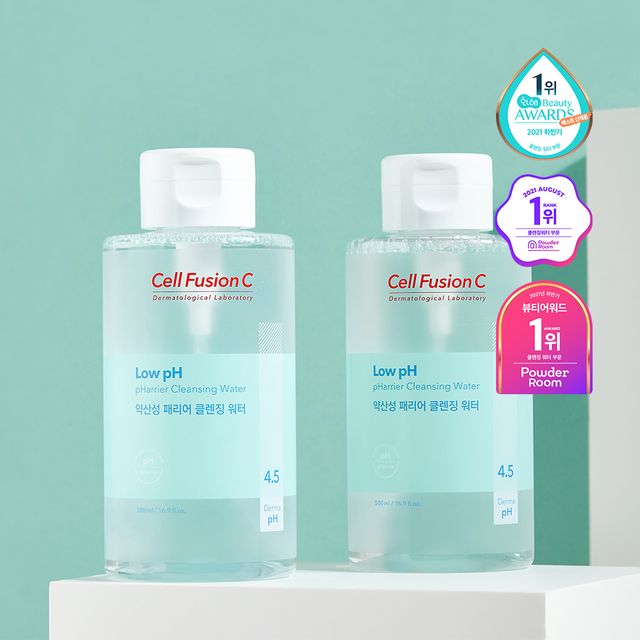
Cell Fusion C
Weakly Acidic Pharrier Cleansing Water
Key: Soapwort Leaf Extract (#5 on the ingredient list), Polyglyceryl-4 Caprate, Melissa Officinalis (Lemon Balm) Leaf Extract
5 claims, summarized
- Only partly backed:
- better barrier support
See each claim
claims, checked
Weakly acidic barrier care even after cleansing
plausible, not testedMoist skin texture with no tightness even after washing
plausible, not tested#LowIrritation #NoEyeSting
plausible, not testedA reassuring cleansing water that protects a healthy pH and leaves moisture in full
plausible, not testedLow irritation, reassuring cleansing with over 96% skincare ingredients
no supporting source found
Key: Soapwort Leaf Extract (#10 on the ingredient list), Cocamidopropyl Hydroxysultaine, Myristamine Oxide
2 claims checked
claims, checked
When cleansing point makeup, press lightly for about 10 seconds to melt the makeup, then wipe gently.
backed by evidenceIt is a no-wash type cleansing water that does not require a separate water rinse, but if needed you may finish with lukewarm water or do a light second cleanse.
partly backed
DERMATORY
SALICINIC Pore Trouble Melting Pad
It's made for better hydration.
Key: Soapwort Leaf Extract (#13 on the ingredient list), Salicylic Acid, Succinic Acid
39 claims, summarized
- Only partly backed:
- less visible pores · less shine · a smoother skin texture · better hydration
- Tests passed:
- skin irritation
See each claim
claims, checked
One pad is divided into 4 pieces, so you can easily tear it off without scissors and attach it to the area that needs care.
backed by evidenceStick it right onto your concern areas with one sheet!
plausible, not testedCare with no gaps in every corner, a 4-section pad with high absorbency
plausible, not testedWith a rayon-pulp-rayon triple structure using soft rayon and pulp with excellent moisture retention, it fully holds the essence's moisture and densely permeates the skin.
plausible, not testedA thick, fluffy 4-section pad generously soaked with essence
plausible, not testedAttach to desired areas such as the T-zone, nose and chin to gently care for sebum.
plausible, not testedWith Dermatory's first 4-section melting pad, stick it on the areas you want and do a deep pore cleanup in every corner*
partly backedSebum care effect proven by human application testing**
partly backedPore Scaling™ ingredient contained at a whopping 80,000ppm*
partly backedPassed 8 human application tests too! Trustworthy efficacy
partly backedThorough verification complete, down to pore, sebum and waste care
partly backedPore area improved by 11.1%
partly backedPore volume improved by 27.9%
partly backedPore depth improved by 6.6%
partly backedBlackheads and whiteheads reduced by 45.7%
partly backedSebum reduced by 46.9%
partly backedWith Dermatory's own complex ingredient effective for caring for dead skin cells, blackheads, whiteheads and other waste, it helps with pore and sebum care.
partly backedA pore cleaning pad* generously soaked with sebum care essence
partly backedHuman application testing complete, including sensitive skin test
partly backedTest for suitability for acne-prone skin completed
partly backedTest for suitability for sensitive skin completed
partly backedPrimary skin irritation test completed
partly backedStick the pad on and gently wipe, and sebum cleaning* is done!
overstatedSwish-stick, sweep-wipe, and sebum cleaning* is done!
overstatedThe very pad that went viral on Zigzag
no supporting source foundNo. 1 in the entire Zigzag beauty category*
no supporting source foundBacked by customer support, confirmed to launch at Olive Young in September
no supporting source foundOne customer testimony after another! Thrill-filled sebum care power
no supporting source found17.3% improvement
no supporting source foundA special fabric that delivers sponge-like fluffiness and moist hydration, with even vegan certification* complete!
no supporting source foundPut down your worries about irritation
no supporting source found#4SectionPoreCare #ThickFluffyFabric #DermatoryExclusiveIngredient
nothing specific to checkStarting with care for sebum built up all over the skin!
nothing specific to checkNo more squeezing and picking!
nothing specific to checkThe clean care item even sebum-rich skin approves of
nothing specific to checkThe birth of the full-face sebum care pore pad!
nothing specific to checkPore Scaling™, the core of sebum care
nothing specific to checkPore Scaling™ ingredient generously packed into one tub of pads!
nothing specific to checkMoisture stored in one pad
nothing specific to check
Key: Soapwort Leaf Extract (#14 on the ingredient list), Palmitic Acid, Lauric Acid
8 claims checked
claims, checked
A cleansing oil with a light texture
partly backedCore ingredients: hydroxyethyl urea, soapberry extract, soapwort leaf extract
partly backedFrom 99% perfect cleansing to pore tightening
overstatedMoisture cleansing oil
overstatedWith fine micro oil particles
no supporting source found99% perfect cleansing
no supporting source found99% cleansing of pore impurities
no supporting source foundDeep cleansingㅣultrafine dust cleansing
no supporting source found
THE FACE SHOP
Migamsu Bright Facial Cleansing Foam
Key: Soapwort Leaf Extract (#15 on the ingredient list), Myristic Acid, Potassium Hydroxide
1 claim checked
claims, checked
Migamsu Bright
no supporting source found
Key: Soapwort Leaf Extract (#17 on the ingredient list), Urea, Sapindus Mukorossi Fruit Extract
13 claims, summarized
- Only partly backed:
- better hydration
- Tests passed:
- hypoallergenic · skin irritation
See each claim
claims, checked
A gel type morning cleanser
backed by evidenceTexture: a bouncy gel texture, colourless and transparent.
backed by evidenceA bubble-free gel cleanser containing 85% skincare ingredients
partly backedMain functions: ultra sensitive | moisture care
partly backedRecommended type & texture: dry skin
partly backedA gel to water type morning moisturising cleanser
partly backedIt has completed a low irritation test too, so it will be no burden to use every morning.
partly backedTest result: judged non-irritating in a 24-hour/48-hour patch test
partly backedNote: it is also good as a first wash for light face makeup or sunscreen. However, for point makeup such as mascara, please use a dedicated remover.
partly backedA moisture filling morning cleanser
overstatedFragrance: close to fragrance free.
overstated85% skincare ingredients
no supporting source found99% pore impurity cleansing
no supporting source found
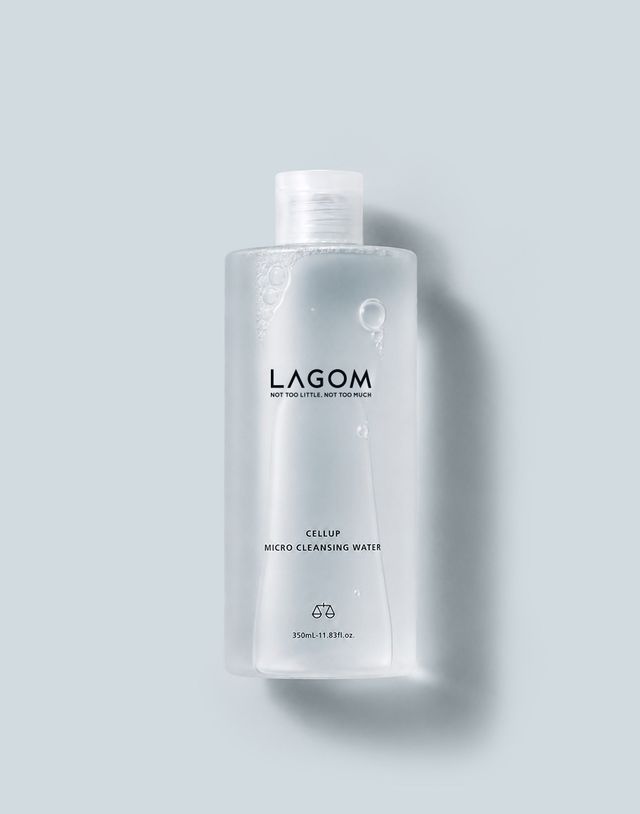
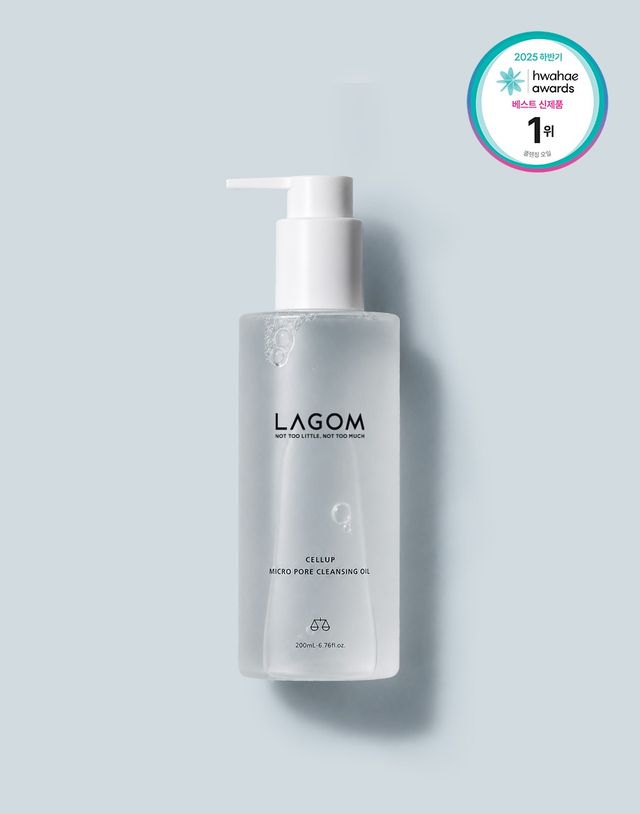
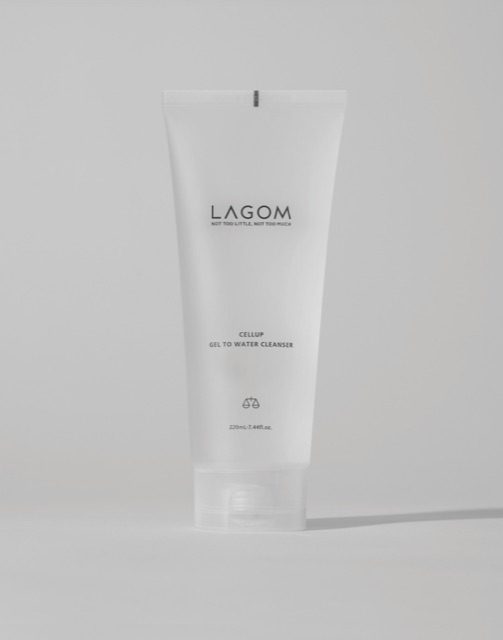
Often featured alongside it
Are the claims about it backed up?
We checked each claim that features this ingredient. Open the list below to see the result for each one.
See the results by claim
| Result | Claims |
|---|---|
| partly backed | 1 of 1 |
These are counts of claims, not products. One product can name the same ingredient in several claims, and we checked each one on its own.
Sources
We summarized the published studies and public records listed below, each with its DOI or PubMed number. Findings about treating medical conditions are outside what a cosmetics page covers, so we left them out.
Was this exact ingredient the one tested?
This is the load-bearing section.
The INCI name is Saponaria Officinalis Leaf Extract.
What won't it do?
Calming skin isn't shown.
The calming result came from cultured mouse immune cells rather than skin cells, and the material was tissue grown from the seed, not the leaf. Long standing folk use is a statement about tradition, not a study result.
Read in a dish of cultured mouse cells, not on skin and not even on skin cells.
The anti-inflammatory result (suppressed nitric oxide, reduced iNOS, COX-2, TNF-alpha, IL-1beta and IL-6) was obtained in LPS-stimulated RAW264.7 macrophages, a mouse macrophage line, using a callus extract.
Its saponins don't exfoliate.
The flaking went down because particles rubbed it off. That is mechanical rather than something the foaming compounds did, so it does not carry over to a liquid with no particles in it.
A human test of freeze dried tissue culture particles rubbed over the skin.
The 44.07% desquamation index reduction was produced by a physical scrub made of freeze-dried callus particles.
It's gentle only at low levels.
Gentle holds only at low levels: higher up, cells coped worse with it than with two of the synthetic cleansing ingredients. And the human no irritation figure belongs to a scrub product, not to a soapwort cleansing solution.
Read from two places, the cultured cell work across concentrations and the human patch test of the scrub product.
Partially contradicted within its own supporting source.
Mildness holds only below a concentration threshold; above it the soapwort extract becomes more cytotoxic to keratinocytes than SLS or SLES.
Its cleansing power on skin isn't shown.
The cleansing behavior was only ever checked away from skin. No study here measures how much it cleans, or how much oil it lifts, on human skin.
Tests on model lipid films, on protein solutions, and foam measurements, none of them on skin.
The surfactant evidence is model lipid monolayers, liposomes, zein and albumin tests, and foaming measurements.
Lab and related-material results
At low levels the root extract is gentler on lab cells than four common cleansers.
In the low concentration range the foaming extract from soapwort root was easier on cells than the four common synthetic cleansing ingredients tested beside it.
Not human skin but cultured skin cells, with the concentration raised step by step, and the material came from the root rather than the leaf.
In HaCaT normal keratinocytes, the soapwort extract did not meet the cytotoxicity criterion up to 0.039% dry mass, in contrast to all four tested synthetic surfactants.
A scrub made from seed tissue, not the leaf, reduces flaking by about 44%.
The only human data here belong to a scrub particle made from tissue grown from the seed, not to a leaf extract. Patched onto 30 people it showed no signs of irritation, and in 21 people a measure of surface flaking fell by about 44%.
A human test that patched it onto 30 people and read the flaking measure in 21, on a scrub that works by rubbing particles over the skin.
In a patch test in 30 healthy volunteers run to the ICDRG six-grade scale, the callus scrub gave a mean irritation score of 0.28, reported as no signs of irritation; in 21 volunteers the skin desquamation index fell by a statistically significant 44.07% after use.
Citations
- 1Jurek I, Szuplewska A, Chudy M, Wojciechowski K. Soapwort (Saponaria officinalis L.) Extract vs. Synthetic Surfactants: Effect on Skin-Mimetic Models. Molecules. 2021;26(18):5628.DOI 10.3390/molecules26185628PMID 34577098
- 2Jurek I, Goral I, Mierzynska Z, Moniuszko-Szajwaj B, Wojciechowski K. Effect of synthetic surfactants and soapwort (Saponaria officinalis L.) extract on skin-mimetic model lipid monolayers. Biochim Biophys Acta Biomembr. 2019;1861(3):556-564.DOI 10.1016/j.bbamem.2018.12.005PMID 30579962
- 3Yu GR, Kim DH, Kim H, Lim DW. Evaluation of Saponin-Rich Callus from Saponaria officinalis L. as a Novel Scrub Material with Significant Exfoliating and Anti-Inflammatory Effects. Plants (Basel). 2025;14(10):1535.DOI 10.3390/plants14101535PMID 40431100
- 4Goral I, Wojciechowski K. Surface activity and foaming properties of saponin-rich plants extracts. Adv Colloid Interface Sci. 2020;279:102145.DOI 10.1016/j.cis.2020.102145PMID 32229329
What each point on this page rests on, with full citations.